


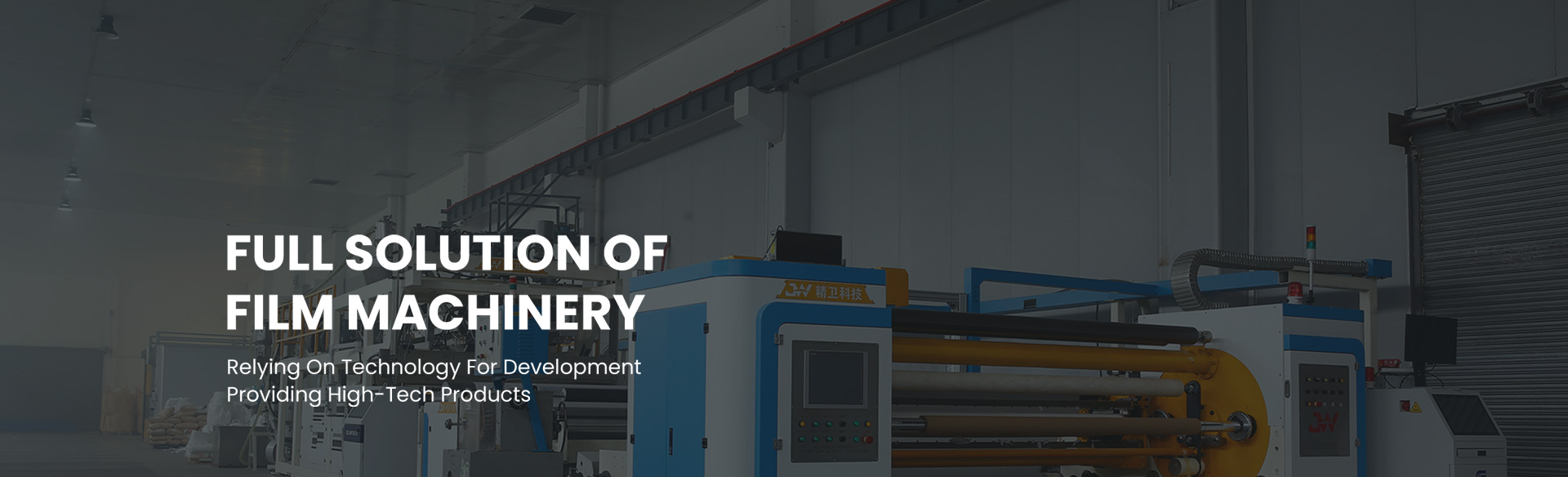
Hot Melt Laminating Machine vs Adhesive Laminating Machine: Which Is Better?
Hot melt laminating machines are often preferred for efficient film production because they provide faster processing, lower solvent requirements, and better environmental performance compared with traditional adhesive laminating machines.
What Is the Difference Between a Hot Melt Laminating Machine and an Adhesive Laminating Machine?
Hot melt laminating machines and adhesive laminating machines are both used to bond multiple layers of materials together, but they use different bonding technologies.
A hot melt laminating machine uses thermoplastic adhesive materials that are melted through heat and applied between layers. After cooling, the adhesive solidifies and creates a strong bond.
An adhesive laminating machine usually uses liquid adhesives, including solvent-based or water-based adhesives, which require coating, drying, and curing processes before the laminated structure reaches the required bonding strength.
From a film machinery manufacturing perspective, the main difference is the bonding method, production efficiency, drying requirements, and the types of materials each system can process.
How Does a Hot Melt Laminating Machine Work?
Heat Activated Bonding for Efficient Film Production
A hot melt laminating machine applies adhesive materials in a molten state between film layers. The adhesive cools quickly after pressing, creating a stable laminated structure.
The main process includes:
Heating hot melt adhesive material
Applying adhesive evenly onto the substrate
Combining multiple layers through pressure rollers
Cooling and forming the final laminated film
This process eliminates long drying stages required by traditional adhesive systems, making it suitable for continuous production environments.
Common applications include:
Hygiene material lamination
breathable film production
Nonwoven material bonding
Medical protective materials
Flexible packaging structures
How Does an Adhesive Laminating Machine Work?
Liquid Adhesive Technology for Versatile Applications
Adhesive laminating machines apply liquid adhesives between different layers of materials. The laminated materials then pass through drying and curing systems to achieve the required bonding performance.
The process usually involves:
Adhesive coating
Solvent or moisture evaporation
Layer pressing
Adhesive curing
This technology has been widely used because it can support various material combinations and established production processes.
However, production efficiency may be affected by drying time, energy consumption, and adhesive management requirements.
Why Is Hot Melt Laminating Machine More Efficient?
Faster Production With Reduced Drying Requirements
One of the biggest advantages of hot melt lamination is higher production efficiency.
Compared with adhesive laminating machines, hot melt systems can provide:
Faster bonding process
Reduced drying time
Lower energy consumption
Cleaner production environment
Easier process control
For manufacturers producing large volumes of hygiene films or composite materials, shorter processing cycles can improve overall production capacity.
Which Machine Provides Better Environmental Performance?
Hot Melt Technology Reduces Solvent Related Concerns
Environmental requirements are becoming increasingly important in Film Manufacturing.
Hot melt laminating machines generally offer advantages because they do not require solvent evaporation during bonding. This can help reduce:
Solvent emissions
Ventilation requirements
Waste from liquid adhesive handling
Adhesive laminating machines can still provide reliable performance, but solvent-based systems may require additional environmental control equipment.
Hot Melt Laminating Machine vs Adhesive Laminating Machine: Key Comparison
| Comparison Factor | Hot Melt Laminating Machine | Adhesive Laminating Machine |
|---|---|---|
| Bonding Method | Heat activated adhesive | Liquid adhesive coating |
| Production Speed | High efficiency with fast bonding | Depends on drying and curing time |
| Drying Requirement | Minimal or no drying process | Requires drying or curing |
| Energy Consumption | Generally lower | Higher due to drying systems |
| Environmental Impact | Lower solvent concerns | May require emission control |
| Material Application | Hygiene films, nonwoven, flexible materials | Wide range of laminated products |
| Process Control | Simple and efficient | More variables during production |
Which Laminating Machine Is Better for Hygiene Film Production?
Application Requirements Decide Equipment Selection
Hygiene film production requires reliable bonding performance because laminated structures must maintain strength, softness, and functional properties.
For applications such as:
Baby diaper materials
Sanitary product structures
Breathable films
Medical protective materials
hot melt laminating machines are commonly selected because they support continuous production and stable bonding quality.
Adhesive laminating machines may still be suitable when specific adhesive characteristics or material combinations are required.
The best solution depends on production volume, material structure, product requirements, and future manufacturing goals.
Can Hot Melt and Adhesive Laminating Machines Process the Same Materials?
Different Technologies Support Different Production Needs
Both technologies can laminate various materials, but their performance differs depending on the substrate and adhesive type.
Hot melt laminating machines are particularly suitable for:
Nonwoven fabrics
PE breathable films
Hygiene material composites
Lightweight flexible materials
Adhesive laminating machines may provide advantages for:
Complex multi-layer structures
Materials requiring specific adhesive properties
Applications with established adhesive processes
Manufacturers should evaluate the complete production process rather than choosing equipment only based on initial cost.
What Should Manufacturers Consider Before Choosing a Laminating Machine?
Evaluate Production Goals Before Investment
Important factors include:
Required production speed
Material combination
Adhesive requirements
Environmental standards
Operating costs
Future product development plans
For high-volume film and hygiene material production, hot melt laminating technology often provides better efficiency and production flexibility.
How Does Jingwei Support Film Lamination Solutions?
As a film machinery manufacturer, Jingwei provides laminating solutions designed for flexible film processing and industrial manufacturing applications.
With experience in film production technology, Jingwei focuses on helping manufacturers achieve stable lamination performance, efficient production processes, and reliable equipment operation.
Selecting the correct laminating technology allows manufacturers to improve product quality while building a more efficient film production system.