


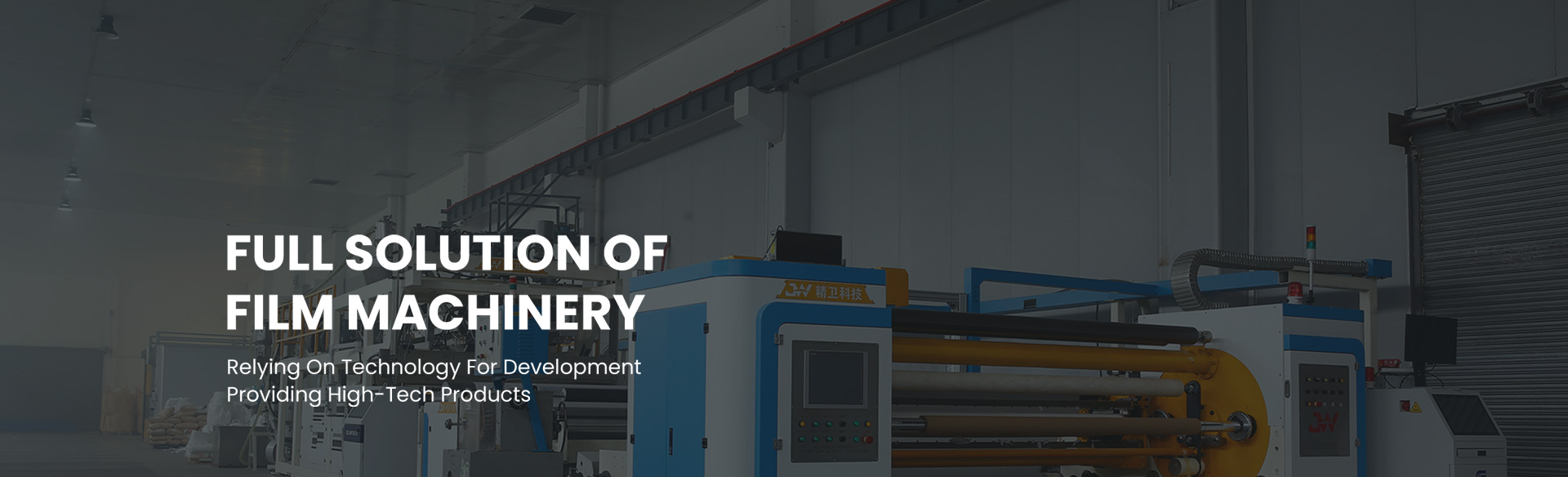
PUR Laminating Machine vs Hot Melt Laminating Machine: What Is the Difference?
PUR laminating machines use reactive polyurethane adhesive for strong bonding performance, while hot melt laminating machines use heat-melted adhesive for faster and more efficient production.
What Is the Difference Between a PUR Laminating Machine and a Hot Melt Laminating Machine?
PUR laminating machines and hot melt laminating machines are both designed for multi-layer material bonding, but they use different adhesive technologies and production methods.
A PUR laminating machine uses polyurethane reactive adhesive, which chemically reacts with moisture in the air to create a strong and durable bond. This technology is known for excellent adhesion strength and resistance to temperature, moisture, and aging.
A hot melt laminating machine uses thermoplastic adhesive that is melted by heat and solidifies after cooling. It provides fast bonding speed and efficient continuous production without a long curing process.
From a film machinery manufacturing perspective, the main difference between these two technologies is the adhesive reaction process, production speed, equipment operation requirements, and final material performance.
How Does a PUR Laminating Machine Work?
Reactive Adhesive Creates Strong Permanent Bonding
A PUR laminating machine applies polyurethane adhesive between different material layers. After lamination, the adhesive continues to react and gradually develops higher bonding strength.
The typical PUR lamination process includes:
Applying PUR adhesive onto the substrate
Combining multiple material layers
Pressing materials together
Allowing chemical curing to complete the bonding process
Because the adhesive forms a chemical bond, PUR lamination can provide excellent performance for demanding applications.
Common applications include:
High-performance flexible packaging
Medical materials
Automotive interior materials
Functional films
Specialty composite materials
How Does a Hot Melt Laminating Machine Work?
Thermal Bonding Enables High-Speed Production
A hot melt laminating machine uses solid adhesive materials that are heated into a liquid state before application.
The bonding process includes:
Heating hot melt adhesive
Applying melted adhesive evenly
Combining material layers through pressure rollers
Cooling and forming the laminated structure
After cooling, the adhesive quickly solidifies and creates bonding strength.
Hot melt laminating machines are widely used for:
breathable film lamination
Nonwoven composites
Disposable product materials
Flexible film applications
Which Machine Provides Stronger Bonding Performance?
PUR Offers Higher Long-Term Adhesion Strength
PUR laminating machines are often selected when final products require strong and durable bonding performance.
Advantages of PUR adhesive technology include:
Excellent adhesion to different materials
Strong resistance to heat and moisture
Better aging performance
Improved durability after curing
The chemical reaction process allows PUR adhesive to create a permanent bond, making it suitable for products that must maintain structural stability over long periods.
Hot melt adhesive provides reliable bonding for many applications, but its performance may vary depending on temperature conditions and material requirements.
Which Laminating Machine Provides Faster Production Speed?
Hot Melt Technology Supports Continuous Manufacturing
Production efficiency is a key consideration for industrial film manufacturers.
Hot melt laminating machines usually provide advantages in speed because:
Adhesive solidifies quickly after cooling
No extended curing period is required
Production can continue immediately after lamination
PUR laminating machines usually require curing time before the laminated product reaches its final bonding strength.
For high-volume hygiene material production, hot melt lamination can provide higher production efficiency.
PUR Laminating Machine vs Hot Melt Laminating Machine: Key Comparison
| Comparison Factor | PUR Laminating Machine | Hot Melt Laminating Machine |
|---|---|---|
| Adhesive Type | Reactive polyurethane adhesive | Thermoplastic hot melt adhesive |
| Bonding Method | Chemical reaction curing | Heat melting and cooling |
| Bond Strength | Very high after curing | Strong immediate bonding |
| Production Speed | Requires curing time | Faster continuous production |
| Temperature Resistance | Excellent | Depends on adhesive type |
| Material Compatibility | Suitable for demanding materials | Suitable for high-speed film applications |
| Operation Requirement | Requires precise adhesive control | Easier continuous operation |
Which Technology Is Better for Hygiene Film Production?
Hot Melt Is Commonly Preferred for High-Speed Hygiene Applications
Hygiene film production requires efficient processing, stable bonding, and reliable material performance.
For products such as:
Baby diaper backsheet materials
Sanitary product structures
Breathable PE film composites
Nonwoven laminated materials
hot melt laminating machines are commonly used because they support fast production and consistent bonding.
PUR laminating technology may be more suitable when the final product requires higher bonding strength, special material compatibility, or long-term durability.
The right choice depends on the final application rather than simply comparing machine specifications.
Can PUR and Hot Melt Laminating Machines Process the Same Materials?
Material Structure Determines the Suitable Technology
Both technologies can laminate different types of materials, but their advantages differ.
Hot melt laminating machines are suitable for:
Lightweight films
Nonwoven fabrics
Hygiene products
High-volume composite materials
PUR laminating machines are suitable for:
Materials requiring strong adhesion
Heat-resistant structures
Complex multi-layer products
Specialty industrial applications
Manufacturers should evaluate:
Substrate characteristics
Required bonding strength
Production capacity
Environmental requirements
Final product usage conditions
before selecting lamination equipment.
What Should Manufacturers Consider Before Choosing a Laminating Machine?
Production Requirements Should Guide Equipment Selection
Important factors include:
Target production volume
Required bonding performance
Material combinations
Operating cost
Maintenance requirements
Future product expansion
For manufacturers focused on high-speed film production, hot melt laminating machines often provide better efficiency.
For applications requiring advanced bonding performance and long-term durability, PUR laminating machines may offer greater value.
How Does Jingwei Support Film Lamination Solutions?
As a film machinery manufacturer, Jingwei provides laminating equipment solutions designed for flexible film processing, hygiene material production, and industrial composite applications.
Through practical experience in Film Manufacturing systems, Jingwei helps manufacturers select suitable lamination technologies based on production requirements, material characteristics, and product goals.
Choosing the correct laminating machine technology is an important step toward improving production efficiency and building reliable film manufacturing capabilities.