


What Is A Turnkey Palletizing Solution
A turnkey Palletizing solution is a fully integrated automation system that covers every stage of palletizing operations, from product input to final pallet output. In modern industrial packaging environments, this type of system combines robotics, conveyors, sensors, control software, and warehouse integration into a single coordinated solution delivered ready for operation.
Industrial automation studies show that turnkey palletizing systems can reduce installation time by more than 40 percent compared with separately integrated equipment systems, while improving operational consistency and reducing commissioning risks.
System Structure Of A Turnkey Solution
A turnkey palletizing system is designed as a complete end to end automation package. It typically includes:
Infeed conveyor systems for product transport
robotic palletizing units for stacking operations
Vision or sensor systems for product positioning
Pallet dispensers and output conveyors
Control cabinets and industrial software
Warehouse interface integration modules
All components are engineered to work together as a unified system rather than independent machines.
Integration Of Robotics And Control Systems
At the core of a turnkey solution is robotic palletizing technology. Robots are programmed to execute precise stacking patterns based on product size, weight, and packaging configuration. Control systems manage synchronization between conveyors, sensors, and robotic arms.
Engineering benchmarks show that integrated robotic palletizing systems can improve stacking accuracy by more than 25 percent and reduce operational downtime in continuous production environments.
Manufacturing System Engineering Model
A industrial machinery manufacturer develops turnkey palletizing systems by integrating mechanical design, electrical engineering, automation software, and system testing into a single production framework.
During OEM and ODM development, system compatibility is validated through simulation testing, ensuring that all subsystems operate seamlessly under real production conditions before delivery.
Manufacturer vs Trader Capability
A manufacturer vs trader comparison is essential in turnkey system sourcing. A manufacturer controls system design, robotics integration, conveyor synchronization, and software development. This ensures full compatibility and stable performance across the entire system.
A trader depends on external suppliers, which may lead to integration delays, communication mismatches, and limited customization for specific production environments.
Quality Control Checkpoints
Key inspection stages include:
System integration simulation testing
Robotic motion accuracy validation
Conveyor synchronization verification
Load balancing and stacking stability testing
Emergency stop and safety interlock validation
Continuous operation endurance testing
These checkpoints ensure export compliance and long term reliability in industrial automation environments.
Turnkey System Performance Comparison
| System Type | Installation Time | Integration Complexity | Operational Stability |
|---|---|---|---|
| Separate systems | High | High | Medium |
| Partially integrated system | Medium | Medium | High |
| Turnkey palletizing solution | Low | Low | Very high |
OEM ODM And Bulk Supply Considerations
For international procurement, key sourcing factors include system integration capability, robotic precision, conveyor coordination, software compatibility, safety certification, and production scalability. A structured OEM and ODM process includes system design, simulation validation, pilot operation, full deployment, and final system acceptance testing.
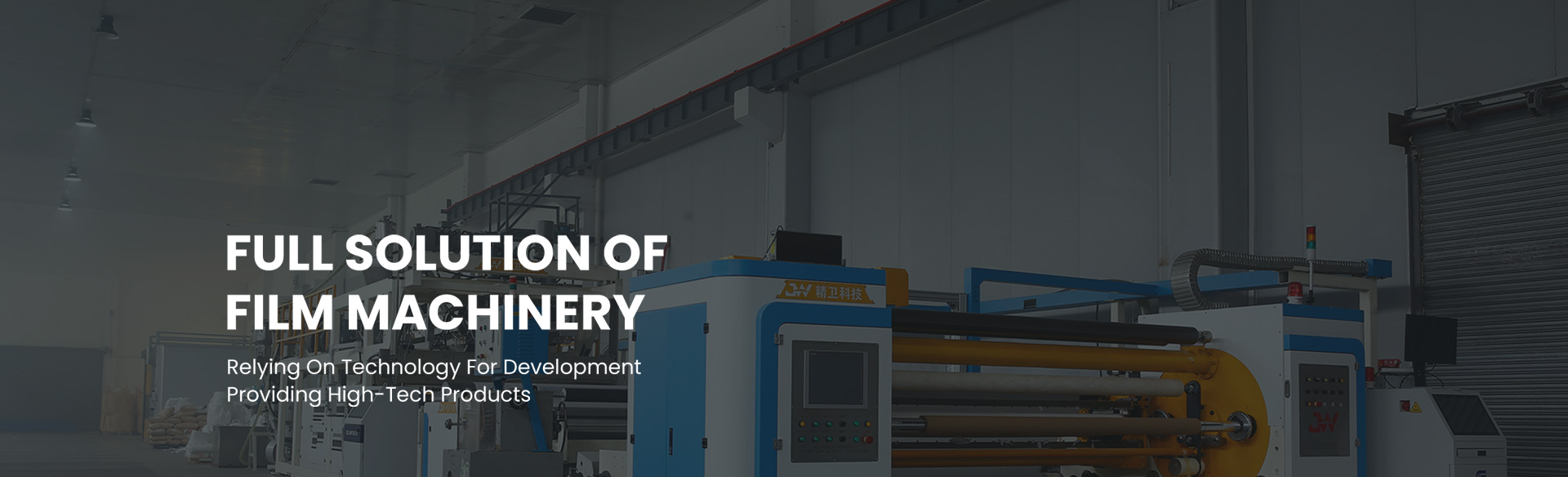
Jingwei Machinery operates a full scale industrial automation system covering film production lines, packaging machinery, robotic palletizing solutions, and intelligent warehouse integration systems. Its engineering capability ensures stable turnkey deployment across global packaging and logistics projects.
Industry Automation Requirements
When selecting turnkey palletizing solutions, procurement teams typically evaluate:
System integration completeness
Robotic accuracy and repeatability
Conveyor and sensor synchronization
Software and warehouse compatibility
Safety and compliance certification
Long term operational reliability
Industrial packaging clusters continue to move toward fully integrated turnkey automation systems that combine robotics, control software, and logistics management into unified production ecosystems.