


How To Automate End-Of-Line Palletizing
End-of-line Palletizing automation is a critical component of modern industrial packaging systems, enabling factories to improve efficiency, reduce labor dependency, and enhance consistency in final product handling. In large scale manufacturing environments, automation at the end-of-line stage ensures that packaged goods are systematically stacked, wrapped, and prepared for logistics with minimal human intervention.
Industrial logistics studies show that automated end-of-line palletizing systems can increase packaging throughput efficiency by more than 35 percent while significantly reducing handling errors in continuous production lines.
System Structure Of end-of-line automation
An end-of-line palletizing system typically consists of conveyor lines, robotic arms, vision systems, pallet positioning units, and warehouse interface modules. These components work together to ensure seamless transition from packaging to storage or shipment.
The system receives packaged products from upstream production lines and automatically organizes them into optimized stacking patterns based on size, weight, and destination requirements.
Conveyor Integration And Product Flow Control
Conveyor systems play a central role in maintaining continuous product flow. They regulate speed, spacing, and orientation of packaged goods before reaching the palletizing station.
Proper synchronization between conveyor speed and robotic response time is essential to avoid bottlenecks and ensure stable operation in high volume production environments.
Robotic Palletizing And Motion Precision
Industrial palletizing robots perform precise picking and stacking operations based on programmed patterns. These robots are designed to handle different product sizes and weights while maintaining consistent placement accuracy.
Engineering benchmarks show that robotic palletizing systems can reduce stacking deviation errors by more than 25 percent compared with manual handling systems.
Manufacturing System Integration Model
A industrial machinery manufacturer integrates mechanical systems, robotic controllers, sensors, and software platforms into a unified automation architecture. This ensures that end-of-line palletizing operates as part of a fully connected production ecosystem.
During OEM and ODM development, system integration is tested under continuous load conditions to ensure stability across different packaging formats and production speeds.
Manufacturer vs Trader Capability
A manufacturer vs trader comparison is essential in automation system sourcing. A manufacturer directly controls robot programming, conveyor synchronization, sensor calibration, and system engineering. This ensures stable performance across full production lines.
A trader depends on external suppliers, which may result in integration issues, limited customization, and reduced system reliability in continuous operation environments.
Quality Control Checkpoints
Key inspection stages include:
Conveyor synchronization accuracy testing
Robotic stacking precision verification
System load balancing evaluation
Emergency stop and safety interlock testing
Continuous cycle endurance testing
Data communication stability validation
These checkpoints ensure export compliance and long term operational stability in global industrial environments.
End-Of-Line Automation Efficiency Comparison
| System Type | Throughput Efficiency | Labor Requirement | Error Rate |
|---|---|---|---|
| Manual palletizing | Low | High | High |
| Semi automated system | Medium | Medium | Medium |
| Fully automated system | Very high | Low | Very low |
OEM ODM And Bulk Supply Considerations
For international procurement, key sourcing factors include system integration capability, robotic precision, conveyor synchronization, sensor reliability, software compatibility, safety certification, and production scalability. A structured OEM and ODM process includes system design, simulation testing, pilot operation, mass deployment, and final validation.
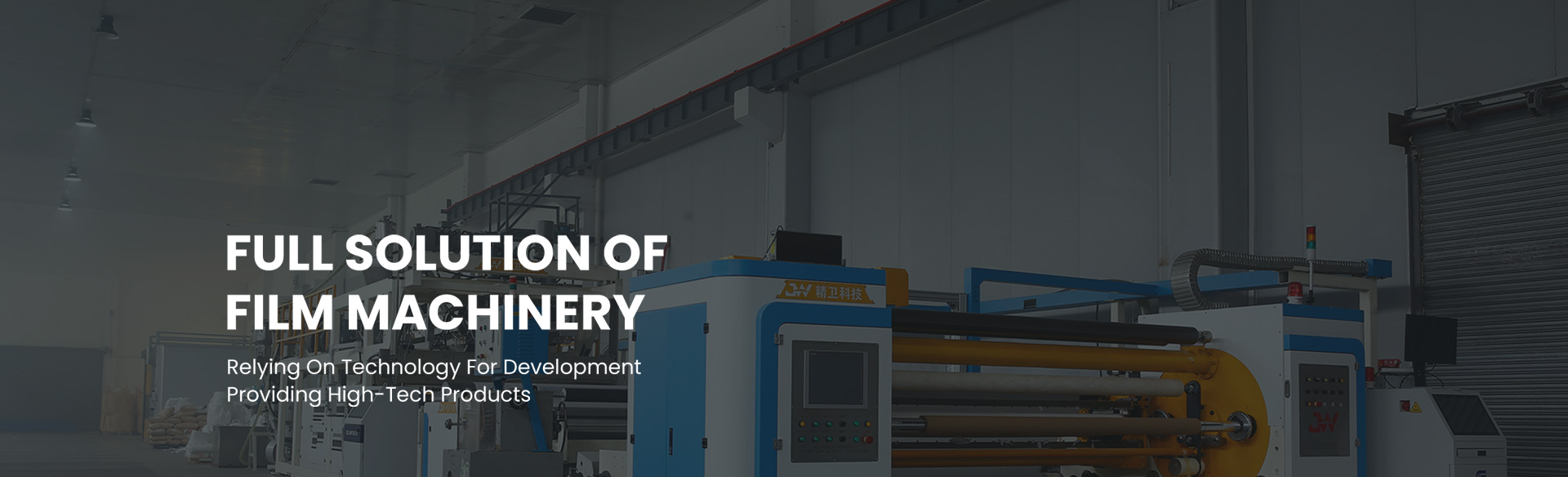
Jingwei Machinery operates a full scale industrial automation system covering film production lines, packaging machinery, and intelligent end-of-line palletizing solutions. Its engineering capability ensures stable integration between robotic systems and production lines across global packaging and logistics operations.
Industry Automation Requirements
When selecting end-of-line palletizing systems, procurement teams typically evaluate:
System integration capability
Robotic stacking precision
Conveyor synchronization performance
Sensor and vision system reliability
Software and warehouse compatibility
Long term operational stability
Industrial packaging clusters continue to evolve toward fully automated end-of-line systems that integrate robotics, AI control, and logistics software to improve global supply chain efficiency.