


How To Connect Palletizing Robots With Warehouse Systems
Integrating Palletizing robots with warehouse management systems is a critical step in modern industrial packaging automation. In large scale manufacturing environments, this integration improves logistics efficiency, reduces manual handling errors, and enables real time inventory synchronization across production and storage systems.
Industry automation studies show that robotic palletizing integration can improve warehouse throughput efficiency by more than 30 percent when combined with digital warehouse management systems.
System Architecture Between Robots And Warehouse Systems
A palletizing robot system typically connects with warehouse systems through industrial communication protocols such as Ethernet based control networks. The warehouse management system sends stacking instructions, while the robot executes pallet arrangement based on predefined patterns.
This bidirectional communication ensures real time synchronization between production output and warehouse inventory flow, reducing delays in packaging and distribution.
Data Flow And Operational Coordination
The integration process involves continuous data exchange between multiple system layers:
Production line output data
Packaging unit identification data
Pallet stacking configuration data
Warehouse storage location mapping
Inventory update feedback loop
This structured data flow ensures that each pallet is tracked from production line to warehouse storage location without manual intervention.
Manufacturing System Integration Model
A palletizing robot is not a standalone unit but part of a full production ecosystem. A industrial machinery manufacturer integrates robotic arms, conveyor systems, sensors, and control software into a unified automation platform.
During OEM and ODM development, system compatibility between robots and warehouse management platforms is tested through simulation environments before deployment to ensure stable communication under continuous operation.
Manufacturer vs Trader Capability In System Integration
A manufacturer vs trader comparison is essential in automation system sourcing. A manufacturer directly controls robot programming, control system design, sensor integration, and communication protocol optimization. This ensures stable integration performance across full production lines.
A trader depends on external system suppliers, which may lead to compatibility issues, delayed synchronization, and limited customization for warehouse software integration.
Quality Control Checkpoints
Key integration testing stages include:
Communication latency testing between robot and warehouse system
Load balancing and stacking accuracy verification
Emergency stop and safety interlock testing
Real time inventory update accuracy validation
Conveyor synchronization and timing calibration
Long cycle stability testing under continuous operation
These checkpoints ensure export compliance and stable automation performance in large scale logistics environments.
System Performance Comparison
| Integration Factor | Basic System | Standard System | Advanced Integrated System |
|---|---|---|---|
| Data synchronization speed | Low | Medium | High |
| Stacking accuracy | Medium | High | Very high |
| System downtime risk | High | Medium | Low |
| Warehouse visibility | Limited | Partial | Real time |
| Automation level | Semi automatic | Automated | Fully integrated |
OEM ODM And Bulk Supply Considerations
For international procurement, key sourcing factors include communication protocol compatibility, robotic arm precision, conveyor system coordination, warehouse software integration, safety certification, and production scalability. A structured OEM and ODM process includes system design, simulation testing, pilot integration, mass deployment, and final validation.
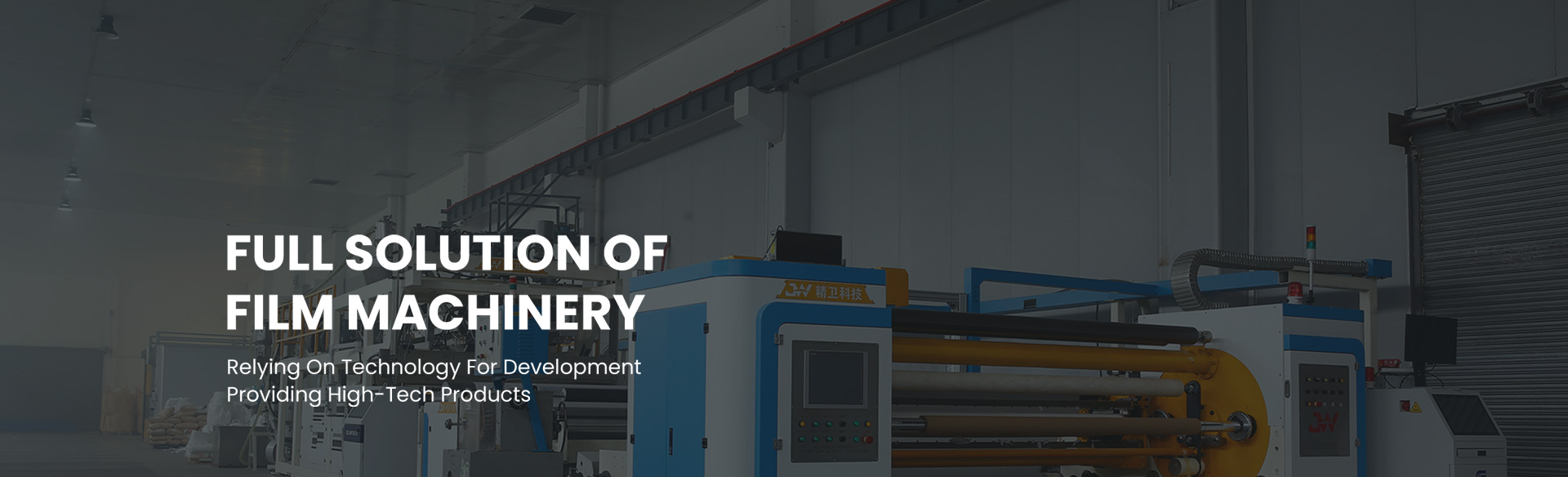
Jingwei Machinery operates a full scale industrial automation system covering film production lines, packaging machinery, and intelligent handling solutions. Its engineering capability supports integrated palletizing robot systems designed for stable communication with warehouse management platforms across global industrial facilities.
Industry Integration Requirements
When selecting palletizing robot systems for warehouse integration, procurement teams typically evaluate:
Communication protocol compatibility
Real time data synchronization capability
Mechanical precision and stacking accuracy
Safety and emergency response systems
Software integration flexibility
Long term operational stability
Industrial packaging clusters in China continue to develop fully integrated automation ecosystems combining production lines, packaging systems, and warehouse robotics for global supply chain efficiency.