


Inspection Standards For Printed Film Quality Before Rewinding
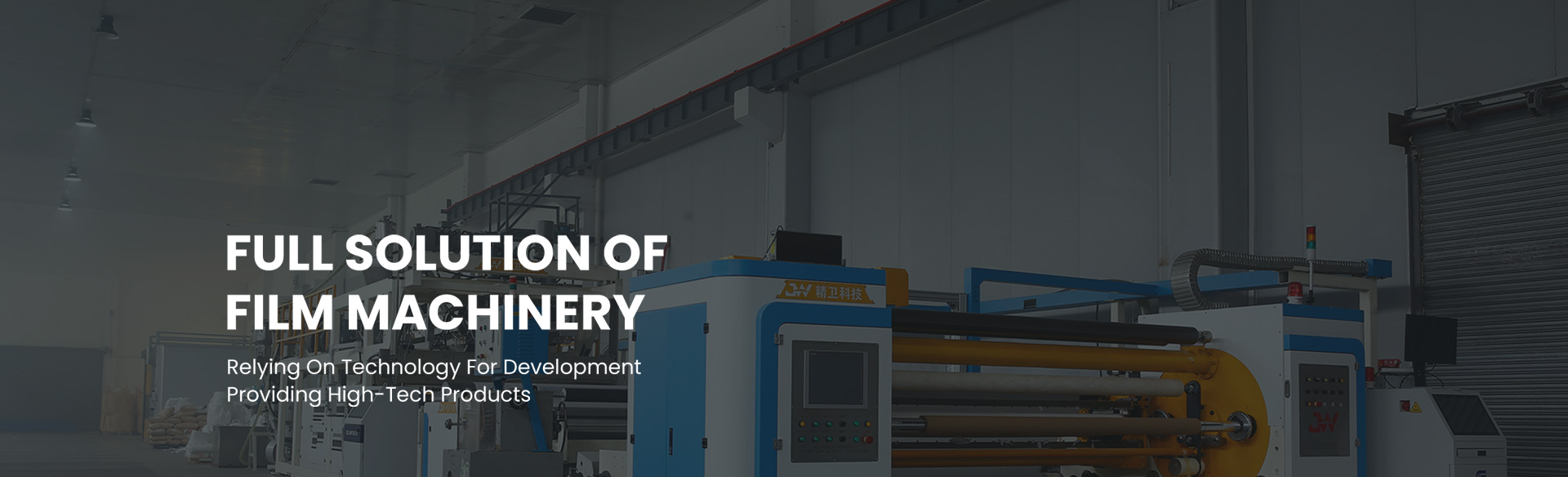
In printed film converting, inspection before rewinding is not a minor finishing step. It is one of the main control points that decides whether the final roll can move into packing, slitting, lamination, or shipment without hidden defects. For project buyers, the focus should not only be on machine speed. The real question is whether the supplier can keep printed film appearance, registration, tension, and roll quality stable across continuous production. JINGWEI works as a direct equipment manufacturer with integrated solutions covering printing equipment, slitting systems, inspection rewinding machines, and winding upgrades, which gives buyers a clearer process link than working through a trader.
Manufacturer Vs Trader In Printed Film Projects
The difference between a manufacturer and a trader becomes obvious when buyers review inspection standards. A manufacturer can control frame machining, web path design, tension settings, sensor integration, defect inspection logic, and final testing records. A trader may offer a machine, but often cannot manage engineering changes, trial data, or long term spare parts support with the same depth. JINGWEI states that its product range includes gravure printing machines, inspection rewinding machines, rewinding machines, and slitting equipment, which supports a more complete manufacturing process overview for printed film projects.
Quality Control Checkpoints Before Rewinding
The first checkpoint is print surface quality. Printed film should be checked for dirt, gel marks, scratches, coating inconsistency, color contamination, streaks, and visible wrinkles. The second checkpoint is print registration and pattern continuity. JINGWEI notes that printed plastic films are inspected after printing or coating to verify surface quality and printing accuracy before packaging. This is especially important for packaging films carrying logos, product information, and color blocks that must remain consistent across the full roll.
The third checkpoint is web alignment and tension stability. During rewinding, poor alignment can create telescoping, loose edges, or roll deformation. JINGWEI’s slitting and rewinding equipment describes CCD optical correction accuracy at ±0.05 mm for printed films and transparent materials, showing how alignment control affects the final roll structure. The fourth checkpoint is defect traceability. JINGWEI’s plastic film printing machine includes color registration control and an optional defect detection module, which supports in line identification before the roll proceeds to the next stage.
Material Standards Used For Inspection
Material standards should also be part of the project sourcing checklist. PE, BOPP, PET, and CPP films behave differently in tension, surface appearance, and dimensional stability during rewinding. JINGWEI identifies these materials as common substrates handled by its rewinding and inspection systems. For quality verification of the film itself, ASTM D882 is widely used for tensile properties of thin plastic sheeting, while ASTM D1003 is commonly used for haze and luminous transmittance in transparent plastics. These standards help buyers judge whether visual quality and mechanical performance remain stable after printing and before finished roll delivery.
OEM ODM Process And Bulk Supply Considerations
For OEM and ODM projects, inspection standards should be written into the approval flow instead of being discussed only after installation. Buyers should confirm substrate range, maximum roll width, defect criteria, tension range, registration expectations, inspection records, and acceptance testing before mass production. This is where manufacturer control is valuable. JINGWEI emphasizes structured machining, alignment verification, incoming component inspection, and factory testing for printing and rewinding equipment. That kind of process discipline matters more in bulk supply programs, where one unstable setting can affect a large number of rolls in a short time.
| Inspection item | What should be checked | Why it matters |
|---|---|---|
| Surface appearance | Dirt, streaks, scratches, wrinkles | Prevents visual complaints |
| Print accuracy | Registration, missing print, color shift | Protects brand consistency |
| Web handling | Tension, alignment, edge tracking | Avoids telescoping and loose rolls |
| Roll formation | Tightness, edge flatness, diameter consistency | Supports storage and downstream use |
| Documentation | FAT records, defect logs, material range | Improves project traceability |
Export Market Compliance And Final Review
Export market compliance should be reviewed early, especially for equipment entering regulated destinations. The EU Machinery Directive 2006/42/EC sets essential health and safety requirements for machinery placed on the EU market. For buyers, this means machine guarding, electrical safety, manuals, and technical documents should be prepared together with inspection procedures, not after shipment. A supplier that understands both machine performance and export documentation usually reduces installation risk and delivery delays.
Why This Inspection Step Matters
Printed film quality before rewinding is where visual control, mechanical stability, and delivery reliability meet. A strong supplier should be able to explain not only how the machine runs, but how every checkpoint is verified and recorded. JINGWEI’s integrated position in printing, inspection rewinding, and related film converting equipment makes that process control easier to review from the manufacturing side, which is exactly what serious sourcing decisions require.