


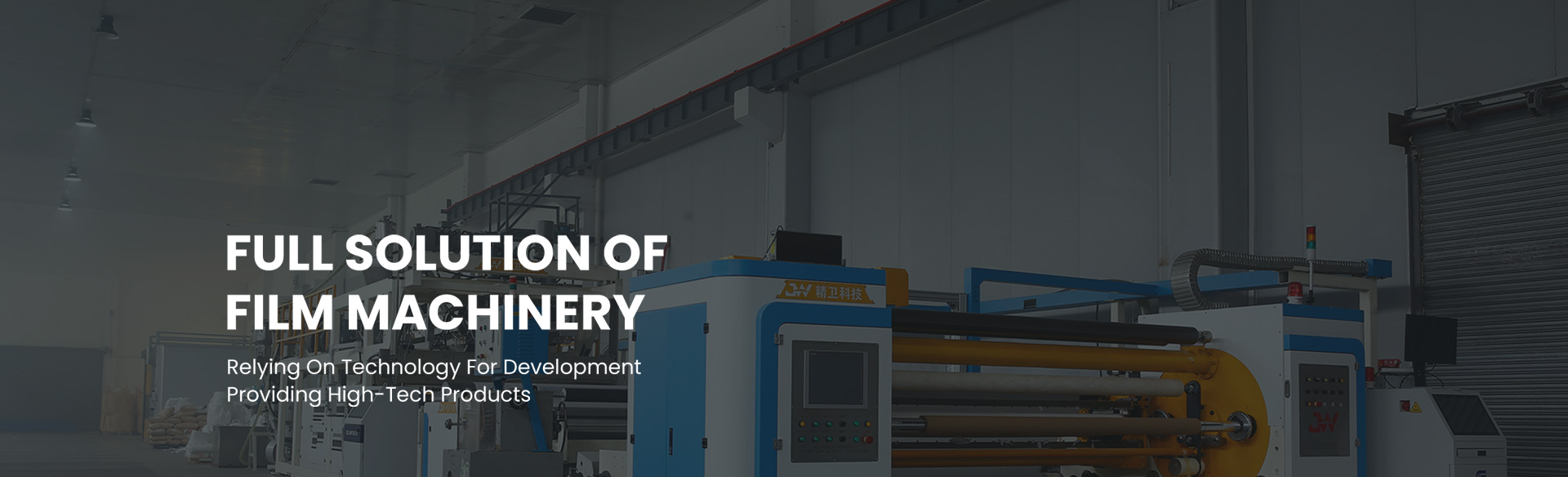
As film manufacturers continue to improve production efficiency and reduce operating costs, the demand for high speed film casting machines is increasing. However, upgrading from a standard film casting machine to a high speed model is not only about achieving higher output.
-
2026-08-11
-
2026-08-10Choosing between a single screw and twin screw film extrusion line is an important decision when investing in plastic film production equipment. Although both technologies are widely used for polymer processing, they have different advantages in material handling, mixing capability, production efficiency, and application range.
-
2026-08-07Choosing between a single layer and multi layer film casting machine is an important decision when planning a film production line. Although both systems use casting technology to produce plastic films, their equipment structure, material flexibility, production cost, and final film performance are significantly different.
-
2026-08-06Choosing the right film production equipment directly affects product quality, production efficiency, and long-term investment returns. Although PE film casting machines and blown film machines both process polyethylene materials, they use different production methods and create films with different performance characteristics.
-
2026-08-05Choosing between a cast film machine and a blown film machine is one of the most important decisions when investing in a plastic film production line. Although both technologies are designed to manufacture polyethylene and other polymer films, they use different forming methods and provide different film characteristics.
-
2026-08-04Selecting the right film production equipment is a key decision for manufacturers entering the flexible film industry. Although both breathable film casting machines and blown film machines are used to produce polyethylene-based films, they rely on different forming technologies, production processes, and performance characteristics.
-
2026-08-03Choosing the right film casting machine is a critical decision for manufacturers planning to produce polyethylene-based films. Although breathable film casting machines and PE film casting machines both use polyethylene materials and casting technology, they are designed for different film structures, production requirements, and application markets.
-
2026-07-31Palletizing robots are designed to improve production efficiency and provide stable automated handling solutions. However, like any industrial automation system, occasional errors may occur due to programming settings, mechanical conditions, production changes or communication issues.
-
2026-07-30Palletizing robots are widely used in modern manufacturing because they improve efficiency, reduce repetitive labor and create more consistent production processes. However, like any industrial automation system, robotic palletizing equipment may encounter operational challenges if the system is not properly selected, installed or maintained.
-
2026-07-29The service life of a palletizing robot depends on many factors, including manufacturing quality, operating conditions, maintenance practices and system design. A well-designed robotic palletizing system can provide stable performance for many years while helping manufacturers improve productivity and reduce repetitive labor.
-
2026-07-28Palletizing robots are designed to improve production efficiency and operate continuously in industrial environments. However, like any automated equipment, they require proper maintenance to maintain accuracy, reduce downtime and extend service life.
-
2026-07-27A palletizing robot arm is designed for continuous industrial operation, but regular maintenance is essential to maintain accuracy, reduce downtime and extend equipment lifespan. Proper maintenance not only protects the initial investment but also ensures stable production performance over many years.