


What Industries Benefit Most From Palletizing Automation
Palletizing Automation Fits High-Flow Production
Palletizing automation benefits industries with continuous output, repeated packing formats and heavy end-of-line handling. It is widely used for cartons, bags, trays, film rolls and wrapped products. According to the International Federation of Robotics, 542,000 industrial robots were installed worldwide in 2024, showing strong demand for automated handling in modern production.
Industries With Strong Demand
Different industries use palletizing robots for different reasons. Some need higher stacking consistency, while others need safer handling or faster warehouse transfer.
| Industry | Main Benefit |
|---|---|
| Film and packaging | Stable handling of rolls and cartons |
| Food | Consistent stacking after packing |
| Beverage | Heavy case and tray handling |
| Chemical | Bag and drum palletizing |
| Household products | Carton sorting and bulk shipment |
| Building materials | Heavy load stacking |
Why film machinery Projects Need It
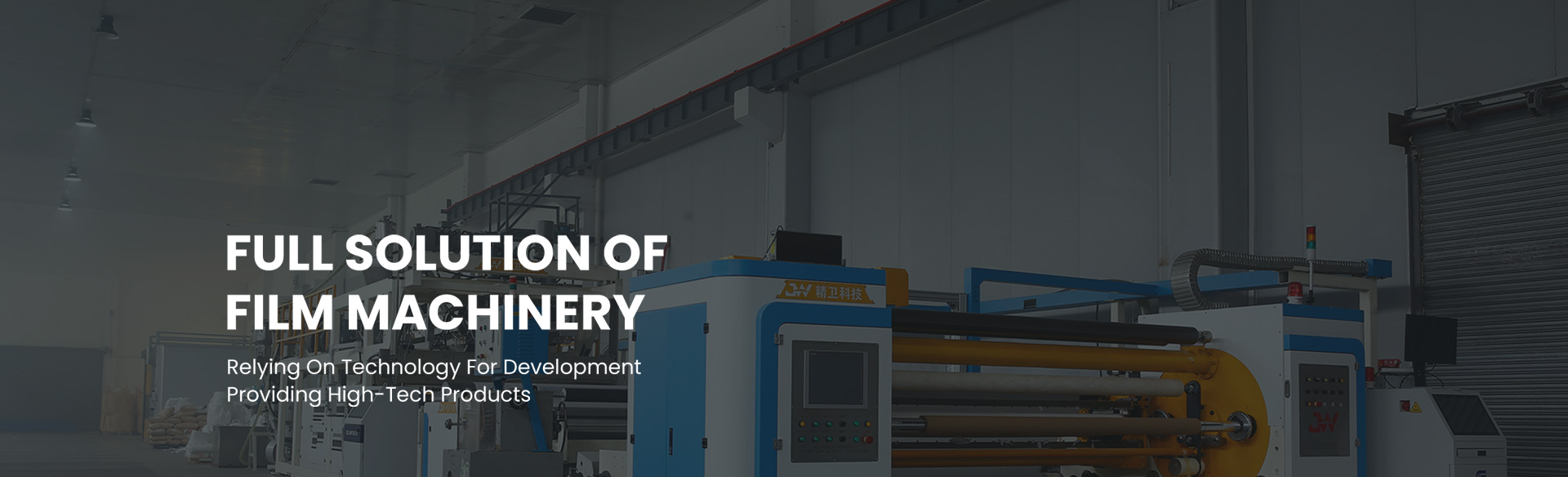
For film production, palletizing automation can connect Slitting, rewinding, coating, laminating and final packing lines. Jingwei designs palletizing systems according to roll size, carton weight, pallet pattern, workshop layout and warehouse flow, helping the whole line move from production to shipment more smoothly.
OEM / ODM Process And Manufacturer Vs Trader
During the OEM / ODM process, a real manufacturer checks product data, line speed, pallet dimensions, stacking height, safety space and export packing needs before design. This is different from a trader who may only provide a standard robot model without full-line matching. Manufacturer support is more valuable when gripper design, conveyor connection, programming and trial running are required.
Quality And Export Compliance
Quality control checkpoints should include gripper load testing, repeated stacking trials, sensor response checks, electrical cabinet inspection, emergency stop testing and full-line commissioning. ISO 9283 is commonly used for robot accuracy and repeatability evaluation. ISO 10218 covers industrial robot safety and system integration, which supports export market compliance.
Better Planning Improves Long-Term Output
For bulk supply considerations and project sourcing checklist, buyers should confirm package type, product weight, pallet layout, stacking layers, workshop space and after-sales parts before order production. Jingwei follows a clear Manufacturing process overview from design, machining, assembly, wiring, programming, testing and packing. Material standards used for frames, guards, conveyors and fixtures help palletizing automation serve stable long-term operation.