


How Does an Energy Saving Film Casting Machine Compare with Traditional Models?
Energy consumption has become an important factor when manufacturers evaluate film production equipment. As electricity costs, labor expenses, and environmental requirements continue to increase, choosing an energy saving film casting machine can directly influence production efficiency and long-term operating costs.
Although traditional film casting machines can provide stable production, modern energy saving models introduce advanced drive systems, intelligent temperature control, automation technology, and digital management functions to reduce energy waste while maintaining film quality.
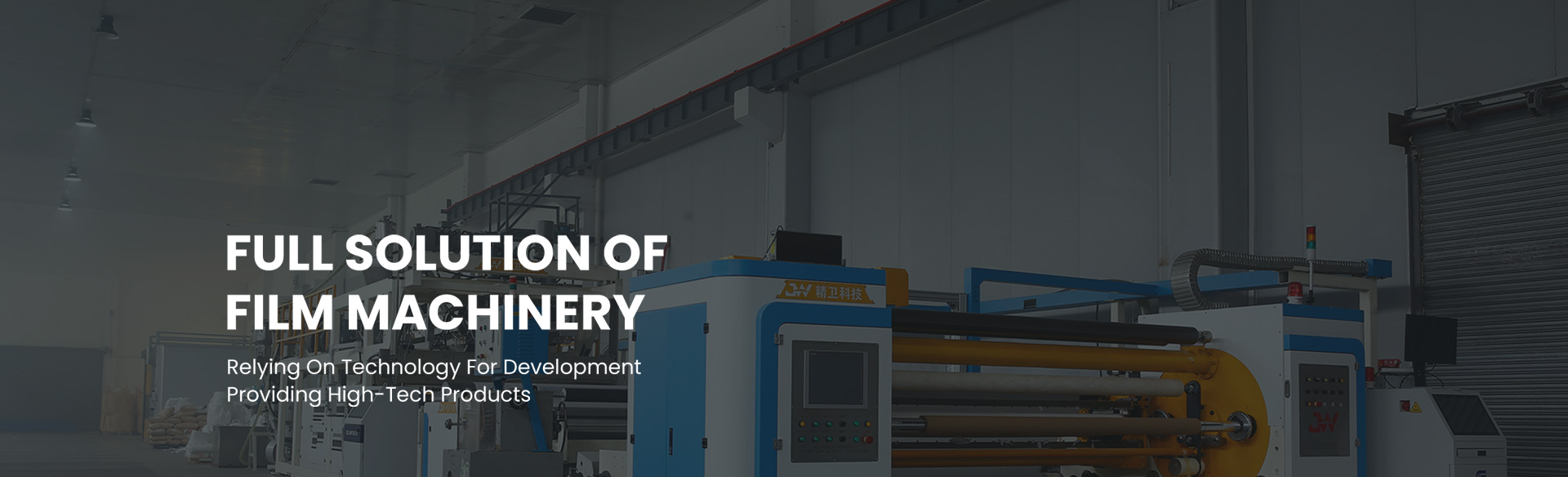
As a professional film machinery manufacturer, JINGWEI develops customized film production solutions, including Pe Film Casting Machines, Breathable Film Casting Machines, and integrated cast film production lines. The equipment combines extrusion technology, precision control systems, energy-saving components, and intelligent production management to improve overall manufacturing efficiency. (JINGWEI)
Basic Difference Between Energy Saving and Traditional Film Casting Machines
The main difference between an energy saving film casting machine and a traditional model is the level of energy management and production optimization.
Traditional film casting machines mainly focus on stable film production. However, some systems may consume more energy because of older heating methods, less efficient motors, and limited process monitoring.
Energy saving film casting machines optimize the entire production process through:
Intelligent temperature control
High-efficiency motors
Optimized extrusion systems
Automated production adjustment
Digital energy monitoring
| Comparison | Traditional Film Casting Machine | Energy Saving Film Casting Machine |
|---|---|---|
| Energy control | Basic adjustment | Intelligent management |
| Heating efficiency | Standard | Optimized |
| Drive system | Conventional | High-efficiency servo control |
| Production monitoring | Limited | Digital monitoring |
| Labor requirement | Higher | Lower |
| Long-term operating cost | Higher | Reduced |
JINGWEI cast film production lines adopt low-energy drive systems and thermal control technology. According to the company's technical information, some production solutions can reduce energy consumption by more than 20% compared with traditional three-stage production processes. (JINGWEI)
Manufacturing Process Comparison
Traditional Film Casting Production Process
A traditional film casting machine usually includes:
Raw material feeding
Extrusion melting
Die head forming
Cooling roller shaping
Film thickness adjustment
Winding
The operator needs to manually monitor production conditions and adjust parameters according to experience.
Advantages include:
Lower initial investment
Simple equipment structure
Easy operation
However, traditional systems may face challenges such as:
Higher energy consumption
More manual adjustments
Larger production variation
Lower digital management capability
Energy Saving Film Casting Production Process
An energy saving film casting machine integrates intelligent systems throughout the production process.
The process includes:
Automatic material feeding
Efficient extrusion plasticization
Precision die control
Intelligent cooling management
Online thickness inspection
Automatic tension adjustment
Digital production recording
JINGWEI cast film equipment integrates extrusion systems, high-precision die heads, spiral cooling rollers, automatic winding systems, tension control systems, and central control platforms to improve production stability and reduce unnecessary energy loss. (JINGWEI)
Energy Consumption Comparison
Energy saving technology mainly reduces consumption in several key areas.
| Energy Consumption Area | Traditional Model | Energy Saving Model |
|---|---|---|
| Heating system | Standard heating control | Intelligent temperature regulation |
| Motor operation | Fixed power operation | Optimized drive control |
| Cooling system | Conventional control | Precise temperature management |
| Production adjustment | Manual | Automatic optimization |
Heating and extrusion systems are usually the largest energy consumers in film production. Improving temperature accuracy and reducing unnecessary heating cycles can significantly lower operating costs.
JINGWEI breathable film casting machines use intelligent temperature control modules and optimized energy management systems. The company indicates that certain equipment configurations can achieve energy savings of more than 18% through optimized heating, drive control, and heat management technologies. (JINGWEI)
Film Quality and Production Stability Comparison
Energy efficiency should not reduce film quality. Modern energy saving machines are designed to improve both production performance and resource utilization.
| Quality Factor | Traditional Model | Energy Saving Model |
|---|---|---|
| Thickness consistency | Depends on operation | More precise control |
| Production stability | Moderate | Higher |
| Defect monitoring | Manual inspection | Online monitoring |
| Process repeatability | Operator dependent | Digital control |
Film production requires precise control of:
Extrusion pressure
Melt temperature
Cooling speed
Film tension
Winding quality
JINGWEI equipment supports optional online thickness measurement systems and defect detection systems to improve quality monitoring during continuous production. (JINGWEI)
Automation and Digital Management Advantages
One major difference between energy saving and traditional models is intelligent production management.
Modern film casting machines can integrate:
PLC control systems
MES production management
Remote diagnosis
Online inspection
Automatic winding systems
These technologies help manufacturers:
Reduce manual adjustment
Improve production transparency
Lower material waste
Optimize maintenance schedules
JINGWEI provides digital production solutions that integrate MES systems, production data management, and remote diagnosis technology to support intelligent factory upgrades. (JINGWEI)
Material Standards and Processing Requirements
Energy saving film casting machines need to match different material characteristics.
Common film materials include:
PE
PP
TPU
Functional polymer materials
Different materials require different process controls.
For example:
PE Film Production
Requires:
Stable extrusion
Uniform thickness
Efficient cooling
High production efficiency
Breathable Film Production
Requires:
Precise material mixing
Stable filler dispersion
Accurate temperature control
Consistent microporous structure
A professional film machinery manufacturer should evaluate:
Material properties
Film application
Production capacity
Quality standards
Energy consumption goals
Manufacturer vs Trader: Why Equipment Experience Matters
Choosing a film casting machine is not only about purchasing equipment. It requires technical support, process understanding, and long-term service capability.
A professional manufacturer can provide:
Production line design
Energy optimization suggestions
Equipment customization
Installation support
Process training
Technical upgrades
JINGWEI focuses on complete film machinery solutions, covering breathable film casting machines, PE film casting machines, printing machines, slitting machines, rewinding machines, laminating machines, and automation systems. (JINGWEI)
OEM and Customized Energy Saving Solutions
Different production projects have different energy and output requirements.
A customized equipment development process usually includes:
Production requirement analysis
Film application evaluation
Equipment configuration design
Energy consumption assessment
Machine manufacturing
Factory testing
Installation commissioning
Customization options may include:
High-efficiency motors
Intelligent temperature control
Automatic feeding systems
Online inspection systems
MES production management
Quality Control Checkpoints
Energy saving equipment still requires strict quality control.
| Inspection Point | Purpose |
|---|---|
| Raw material inspection | Ensure stable production |
| Extrusion monitoring | Maintain melt quality |
| Thickness measurement | Control film consistency |
| Energy monitoring | Optimize consumption |
| Roll inspection | Improve final product quality |
Continuous monitoring helps manufacturers reduce waste and improve production efficiency.
Bulk Supply and Project Sourcing Checklist
Before selecting an energy saving film casting machine, manufacturers should evaluate:
| Evaluation Item | Key Question |
|---|---|
| Production capacity | What output is required? |
| Film application | What products will be produced? |
| Energy target | How much cost reduction is expected? |
| Automation level | How much manual work should be reduced? |
| Future expansion | Can the line be upgraded? |
| Technical support | Is long-term service available? |
Export Market Compliance Considerations
For international equipment projects, energy efficiency, documentation, and technical support are increasingly important.
A reliable supplier should provide:
Equipment manuals
Technical specifications
Installation guidance
Spare parts support
Remote service
These factors help ensure stable operation after equipment installation.
Which Film Casting Machine Is Better?
A traditional film casting machine may still be suitable for manufacturers who need:
Lower initial investment
Basic production functions
Simple film applications
An energy saving film casting machine is more suitable for manufacturers who need:
Lower operating costs
Higher automation
Stable film quality
Long-term production efficiency
The better investment depends on production goals, but energy efficiency, automation, and digital management are becoming increasingly important factors in modern Film Manufacturing.
JINGWEI provides professional film machinery solutions with advanced manufacturing technology, intelligent control systems, and customized engineering support. Through energy-saving design and reliable production performance, JINGWEI helps manufacturers build efficient and sustainable film production lines.