


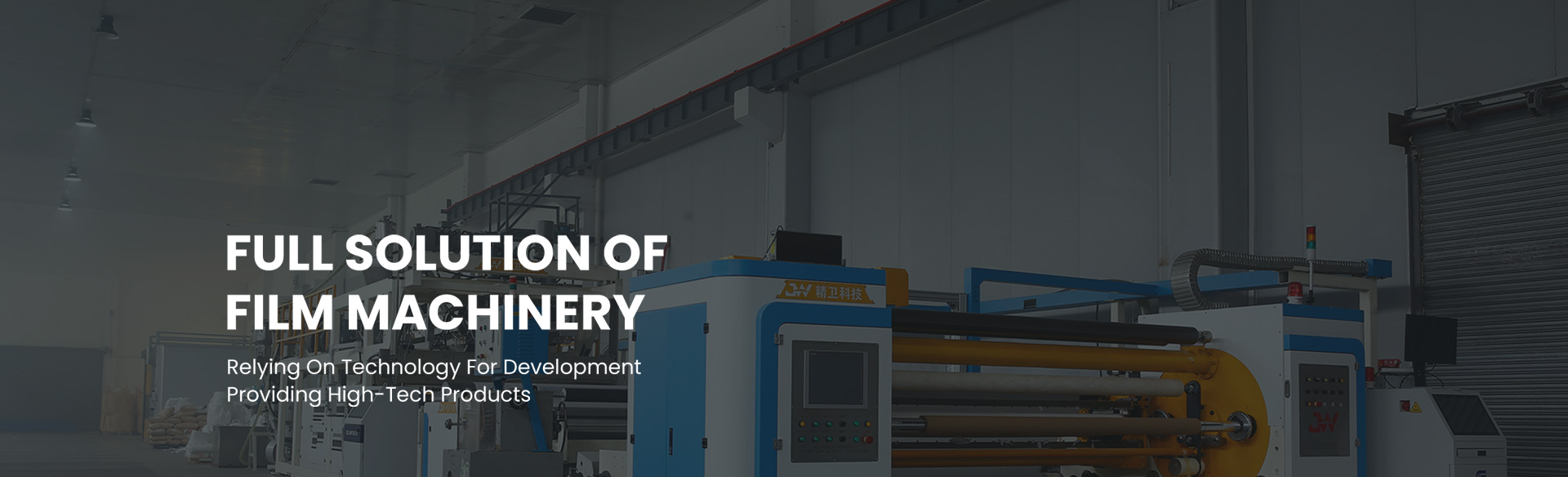
What Is A Slitter Rewinder Machine And How Does It Work
A slitter rewinder machine is a converting system used to process wide rolls of material—such as film, paper, foil, nonwoven fabrics, or laminates—into narrower, precisely cut rolls called finished reels. The machine performs two functions: Slitting (cutting the material into strips) and rewinding (coiling the cut strips onto new cores with controlled tension and roll density).
For manufacturers in packaging, Printing, hygiene materials, battery materials, adhesive tapes, and flexible films, a slitter rewinder is essential because it enables high-speed, high-accuracy material preparation for downstream processes like lamination, printing, coating, and bag making.
Understanding the Structure of a Slitter Rewinder Machine
1. Unwind Section
This is where the jumbo roll is placed. The unwind stand includes:
tension control system
pneumatic or hydraulic shaft
brake control
web alignment system
Its job is to deliver the material steadily to the slitting section without wrinkles or sagging.
2. Slitting Section
The machine cuts the material using methods based on material thickness and properties. Common slitting methods include:
Razor slitting for thin plastic films
Shear slitting for paper, laminated film, foil, and thicker substrates
Crush slitting for soft, nonwoven, or elastic materials
Blade positioning is adjustable to determine the exact width of each finished roll.
3. Rewind Section
After slitting, the narrow strips are rewound onto individual cores. The rewinding system manages:
tension control
torque balancing
roll hardness
air shafts for core holding
Different rewinding methods include:
center rewinding
surface rewinding
center-surface rewinding
turret rewinding for nonstop production
How a Slitter Rewinder Machine Works
Step 1: Material Unwinds from the Jumbo Roll
The parent roll feeds into the machine under controlled tension. Web guiding systems keep the material aligned to ensure straight slitting lines.
Step 2: The Material Enters the Slitting Section
Cutting blades slice the material into narrower strips. The accuracy of this step determines the final roll width, edge quality, and downstream performance.
Step 3: Each Strip Is Rewound into a Finished Roll
The machine rewinds each slit strip onto a new paper or plastic core. Precise rewinding tension ensures:
no wrinkles
no telescoping (side shifting)
consistent roll density
smooth roll ends
Step 4: Rolls Are Removed for Packaging or Next Processing Stage
Once rewinding is complete, operators remove finished rolls and load new cores. Automatic models can perform this step with turret mechanisms for continuous, high-speed production.
Why Tension Control Is Critical
Tension must remain stable from unwinding to rewinding. Poor tension leads to:
wrinkles
stretching
uneven roll hardness
misaligned edges
material breakage
Advanced slitter rewinders use servo motors, load cells, and PLC systems to maintain accurate tension across all processing zones.
What Materials a Slitter Rewinder Can Handle
Slitter rewinders are used with many industrial materials, including:
BOPP, PET, CPP, PE films
aluminum foil and copper foil
kraft and coated paper
adhesive tapes and release liners
metallized film
nonwoven PP, SMS, meltblown
lithium battery separator film
labeling materials
laminated packaging structures
Each material may require different blade types and tension control settings.
Types of Slitter Rewinder Machines
1. Center Winding Slitter Rewinder
Ideal for paper, foil, and materials requiring tight rewind tension.
2. Surface Winding Slitter Rewinder
Best for soft films or materials sensitive to pressure and deformation.
3. Center-Surface Combination
Provides balanced tension for a wider material range.
4. Turret Slitter Rewinder
Allows nonstop production by automatically switching finished rolls.
Benefits of Using a Slitter Rewinder Machine
high slitting accuracy
clean and stable edges
consistent rewind quality
high production efficiency
reduced material waste
ability to handle diverse materials
automation for less labor and safer operation
Summary
A slitter rewinder machine converts wide jumbo rolls into narrower finished rolls by slitting the material with precision and rewinding each strip under controlled tension. The process depends on smooth unwinding, accurate blade cutting, and stable rewinding to produce rolls with consistent width, density, and edge quality. Its versatility, speed, and precision make it an indispensable machine in packaging, printing, Film Manufacturing, nonwoven processing, and many other industrial sectors.