


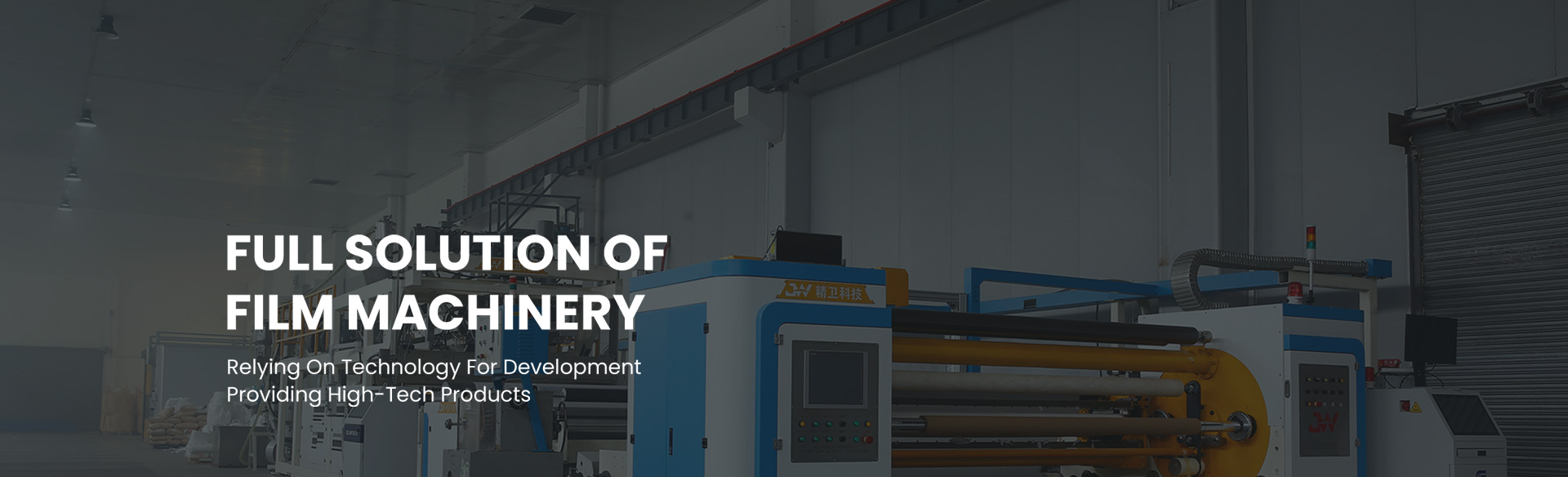
What Is Filament Winding Machine
A filament winding machine is a specialized manufacturing system used to create high-strength, lightweight composite structures by winding continuous fibers—such as glass fiber, carbon fiber, or aramid—around a rotating mandrel in controlled patterns. These machines are widely used to produce composite pipes, pressure vessels, storage tanks, aerospace components, military tubes, and structural beams.
The machine automates fiber placement, tension control, resin application, and winding geometry, resulting in products with exceptional strength-to-weight performance.
How a Filament Winding Machine Works
1. Fiber Supply and Tension Control
Continuous fibers (rovings) are supplied from creels.
The machine keeps them under constant tension to ensure:
uniform structural strength
tight bonding with resin
accurate fiber positioning
2. Resin Impregnation (Wet or Prepreg)
Two methods are used:
Wet winding: fibers pass through a resin bath to coat them with epoxy, polyester, or vinyl ester resin.
Prepreg winding: pre-impregnated fibers are used, eliminating the resin bath.
Proper resin distribution is critical to composite strength.
3. Mandrel Rotation
A mandrel (the mold) rotates at controlled speed.
Its shape defines the final product:
cylindrical for pipes
spherical for tanks
custom mandrels for aerospace parts
4. Fiber Winding Pattern
A carriage moves along the mandrel, placing fibers in programmed angles.
Common patterns include:
hoop winding (90°) for circumferential strength
helical winding (±45°) for balanced pressure resistance
longitudinal winding (0°) for axial strength
These angles determine mechanical performance under pressure, tension, and bending.
5. Layer Build-Up
Multiple layers are applied to meet design requirements.
The machine ensures:
consistent fiber overlap
stable thickness growth
perfect fiber alignment
6. Curing
After winding, the resin composite is cured by:
ambient curing
oven curing
autoclave curing
heated mandrels
Curing solidifies the composite into its final form.
7. Mandrel Removal
Once cured, the mandrel is removed, leaving a hollow, ultra-strong composite structure.
Types of Filament Winding Machines
1. Two-Axis Filament Winding Machine
Mandrel rotation + carriage movement.
Used for pipes and simple cylinders.
2. Four-Axis Machine
Adds fiber band tilting motions for complex angles.
Used for pressure vessels.
3. Five-Axis and Multi-Axis Machines
High precision, used for aerospace and advanced composites.
4. Continuous Filament Winding Machine
For producing long composite pipes in continuous lengths.
5. CNC Filament Winding Machines
Fully programmable patterns, speeds, and tension for industrial mass production.
Applications
Filament winding machines produce components used in:
hydrogen and CNG pressure vessels
composite pipes (water, oil, chemical transport)
aerospace structural components
UAV tubes and cylindrical shells
marine and offshore equipment
sports equipment (poles, tubes, shafts)
medical imaging components
industrial tanks and cylinders
Composite winding technology is favored where high strength, corrosion resistance, and low weight are required.
Advantages of Filament Winding Technology
Extremely high strength-to-weight ratio
Precise fiber alignment for optimal performance
Excellent corrosion and chemical resistance
Lower production cost compared to metal fabrication
Superior pressure-handling capability
Design flexibility for custom applications
Minimal waste due to accurate fiber placement
Final Summary
A filament winding machine manufactures advanced composite structures by winding continuous fibers around a rotating mandrel in precise geometric patterns. Through controlled fiber tension, resin application, and programmable winding angles, the machine produces lightweight yet incredibly strong components used in pressure vessels, pipes, aerospace parts, and industrial applications. It is a cornerstone technology in modern composite manufacturing.