


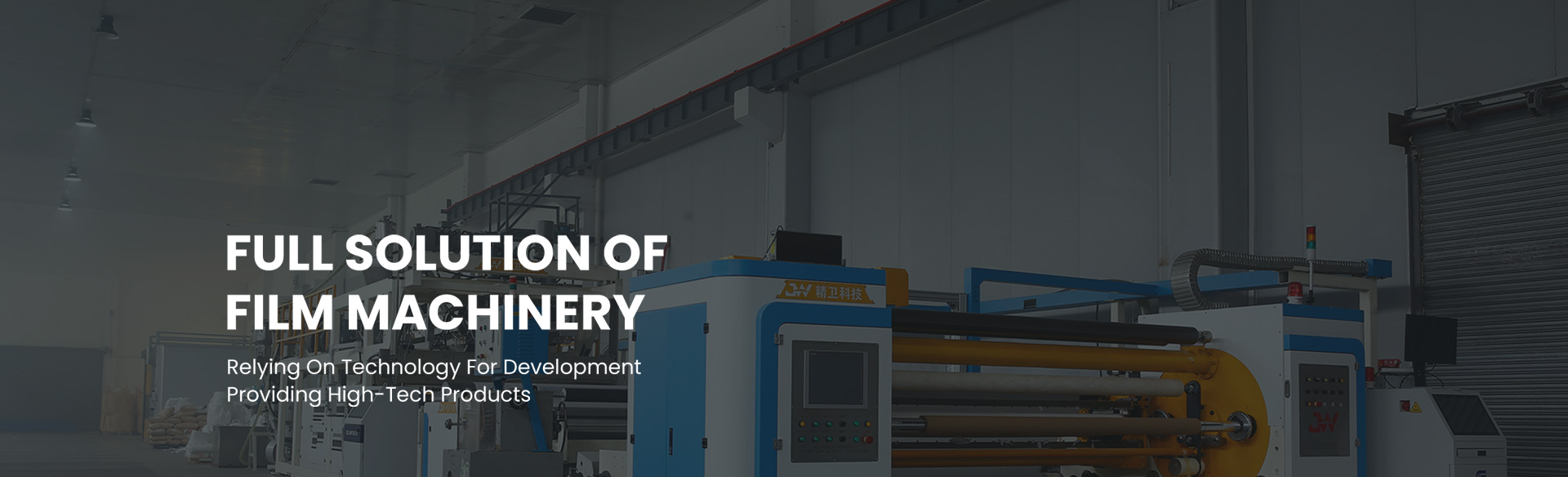
What Is A Winding Machine
A winding machine is an industrial device used to wind materials such as wire, film, thread, yarn, fiber, or foil onto a spool, bobbin, mandrel, or core in a controlled and uniform manner. Winding machines are essential in electrical manufacturing, textile production, film converting, packaging, and many industrial processes where materials must be coiled precisely for storage, processing, or final use.
The machine automates winding speed, tension, layering, and pattern control, ensuring consistent quality and reducing manual labor.
What a Winding Machine Does
A winding machine performs four core functions:
1. Feeding the Material
The machine pulls material (wire, film, yarn, tape, etc.) from a supply source such as a spool or roll.
2. Controlling Tension
It maintains constant tension to prevent stretching, slack, uneven layers, or breakage.
3. Winding Onto a Bobbin/Core
Material is wound onto a rotating spool, mandrel, or core with controlled speed and direction.
4. Layering and Traversing
The machine positions material accurately across the bobbin to create:
smooth layers
precise turns
even density
correct winding shape and pattern
Types of Winding Machines
Different industries use specialized winding equipment:
1. Coil Winding Machines
Used for electrical components.
These machines wind copper wire onto:
transformer bobbins
toroidal cores
motor stators
solenoids
inductors
They feature tension control, programmable turns, and automated traverse.
2. Film and Foil Winding Machines
Used in film-production and converting industries for:
PE/PET/PP films
BOPP tape
aluminum foil
laminates
battery separator films
Often involve Slitting + rewinding systems with precise tension control.
3. Textile Winding Machines
Used for winding yarn, thread, fiber, or fabric strips.
Examples include:
yarn winders
fabric slitting + winding machines
rope and webbing winders
4. Paper & Tape Winding Machines
Used in packaging, label production, and tape manufacturing:
masking tape winding
adhesive tape winding
kraft paper winding
release liner winding
5. Cable & Hose Winding Machines
Used for coiling cables, wires, hoses, and tubing onto reels.
Key Features of a Winding Machine
Tension Control
Prevents breakage, deformation, or loose winding.
Programmable Controls (PLC / CNC)
For automatic machines, operators set turns, speed, direction, layer thickness, etc.
Traverse or Layering System
Moves material left/right for smooth, even layers.
High-Speed Capability
Allows large-volume production while maintaining quality.
Compatibility With Various Materials
Different machines handle wires, films, yarns, foils, composite materials, and tapes.
Applications of Winding Machines
Winding machines are essential in:
electronics manufacturing
transformer and motor production
packaging film production
adhesive tape factories
textile mills
cable and wire industries
paper converting
battery separator film production
They ensure accurate winding for performance, storage, or downstream processing.
Why Winding Machines Are Important
Consistency
Uniform winding improves electrical, mechanical, or packaging performance.
Speed and Efficiency
Machines work faster and more accurately than manual winding.
Reduced Waste
Precise tension and layering minimize material loss.
Scalability
Automation supports mass production with repeatable quality.
Final Summary
A winding machine is an automated system designed to wind wire, film, yarn, tape, or similar materials onto a spool or core with controlled tension and uniform layering. These machines are widely used in electrical manufacturing, film converting, packaging, textiles, and many industrial sectors. Their accurate tension control, programmable settings, and consistent winding patterns make them essential for producing high-quality coils, rolls, and spooled products.