


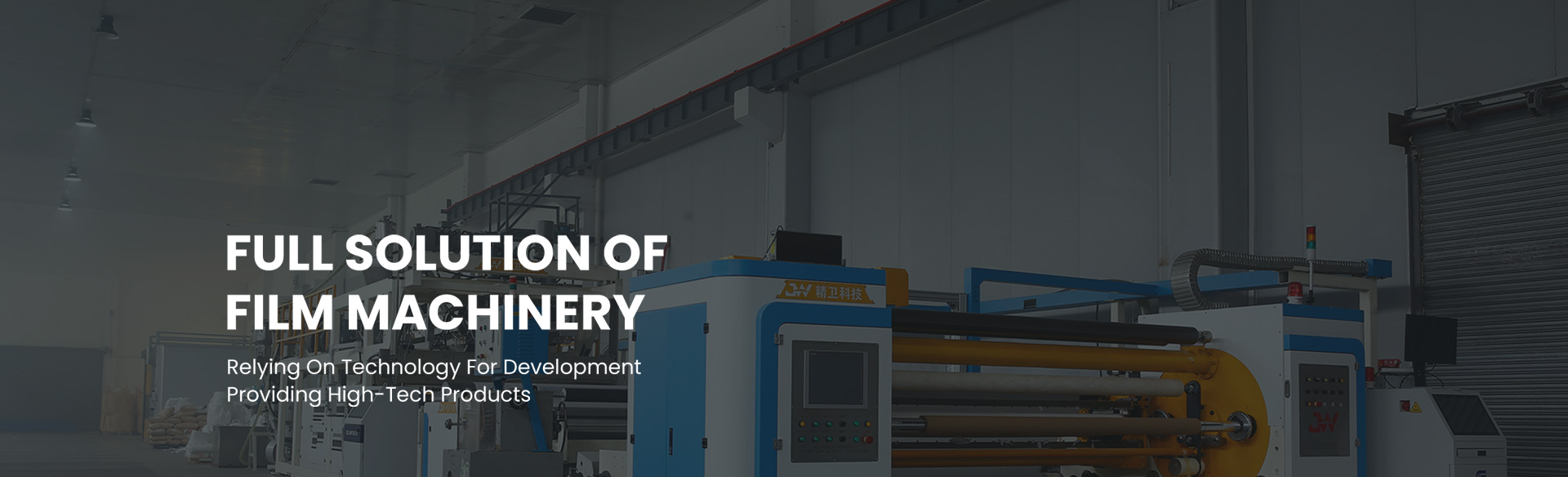
What Is Fabric Slitting Machines
A fabric slitting machine is an industrial cutting system designed to convert wide rolls of fabric into narrower strips with precise, uniform widths. These machines handle a wide range of textile materials, including woven fabrics, nonwoven materials, knitted fabrics, laminates, technical textiles, and coated industrial textiles.
Fabric Slitting is an essential process for industries such as apparel, home textiles, hygiene materials, medical textiles, packaging, automotive interiors, and industrial filtration.
What a Fabric Slitting Machine Does
A fabric slitting machine performs three primary functions:
1. Unwinding the Fabric Roll
The machine holds the master fabric roll on an unwinding shaft.
It maintains consistent tension so the fabric feeds smoothly without wrinkles or distortion.
2. Slitting the Fabric Into Narrower Widths
The fabric passes through a set of knives or blades.
Depending on the machine and material, several cutting methods may be used:
Razor slitting — for thin or lightweight textiles
Shear slitting — for woven and coated fabrics
Crush/score slitting — for nonwovens or thicker textile composites
Ultrasonic slitting — seals edges using heat and vibration, preventing fraying
Hot-knife slitting — melts edges for synthetic fabrics to avoid unraveling
Each blade position determines the final strip width.
3. Rewinding the Narrowed Fabric Strips
After cutting, each strip is rewound onto a new core.
The rewinding section controls tension and pressure to ensure uniform roll density.
This makes the fabric ready for downstream processes such as sewing, laminating, converting, or packaging.
Types of Fabric Slitting Machines
1. Manual or Semi-automatic slitters
Suitable for small workshops or limited production.
Operators adjust blade width manually and control speed with basic settings.
2. Fully Automatic Fabric Slitting Machines
Used in high-volume textile factories.
Features may include:
servo tension control
automatic blade positioning
programmable slit widths
edge-guiding systems
automated rewinding
Ideal for hygiene materials, medical fabric rolls, nonwoven production lines, and industrial textiles.
3. Ultrasonic Slitting Machines
Use ultrasonic energy to cut and simultaneously seal edges.
Prevents fraying — ideal for synthetic fabrics like polyester, nylon, and PP nonwoven.
4. Hot-Knife Slitting Machines
Cut using heated blades, melting the edge to form a clean, sealed border.
Used for ropes, straps, webbing, and synthetic industrial textiles.
5. Crush/Score Slitters for Nonwoven Fabrics
Common in hygiene-material production (diapers, wipes, medical substrates).
These machines apply pressure onto an anvil to cut soft, nonwoven fabric cleanly.
What Materials Fabric Slitting Machines Can Process
Fabric slitting machines can handle:
cotton, polyester, nylon
woven and knitted fabrics
PP and PET nonwovens
laminated fabrics
medical and hygiene textiles
upholstery and industrial fabrics
geotextiles, filtration fabrics
coated technical textiles
Their flexibility makes them vital in multiple textile sectors.
Key Features of a Fabric Slitting Machine
Adjustable cutting widths
High-speed slitting for large production volumes
Stable tension control to avoid wrinkles or stretching
Clean and consistent cutting edges
Automatic rewinding for uniform roll density
Edge-guiding systems for straight, accurate slitting lines
Advanced machines include digital controls and automation to reduce labor and improve precision.
Applications of Slit Fabric Rolls
Slit narrow rolls are used in:
garment manufacturing
elastic straps and ribbons
medical bandages and protective materials
diapers, sanitary materials, and wipes
curtain tapes and home textiles
industrial insulation and filtration
automotive interiors
packaging fabrics and straps
Uniform strip width ensures consistent performance in downstream manufacturing.
Final Summary
A fabric slitting machine converts wide rolls of fabric into narrow, accurately cut strips using razor, shear, crush, ultrasonic, or hot-knife technology. It is used across textile, hygiene, medical, packaging, and industrial sectors. With precise tension control, clean cutting methods, and automated rewinding, the machine ensures stable, high-quality output essential for modern fabric production.
Previous: What Is Reverse Slitting Machine