


Breathable Film Casting Machine Vs Blown Film Machine: Which Is Better for Hygiene Film Production?
A Breathable Film Casting Machine is generally better for high-quality hygiene film production because it provides better thickness control, uniformity, and stable breathable performance, while blown film machines offer more production flexibility.
What Is the Difference Between a breathable film casting machine and a Blown Film Machine?
Breathable film casting machines and blown film machines are both used to produce PE films, but they use different film-forming technologies and provide different production advantages.
A breathable film casting machine produces film through a flat extrusion and casting process. Molten polymer is extruded onto a controlled cooling roller, creating a stable film structure with precise thickness control.
A blown film machine forms film by extruding polymer through a circular die and inflating it into a bubble shape before cooling and winding.
From a film machinery manufacturing perspective, the main difference is production control. Casting technology focuses on precision and consistency, while blown film technology focuses on flexibility and broader film production capability.
How Does a Breathable Film Casting Machine Produce Hygiene Films?
Precision Film Forming Improves Breathable Performance
Breathable film casting machines are widely used for hygiene film production because hygiene materials require stable and consistent performance.
The production process usually includes:
Polymer material preparation
Extrusion
Film casting and cooling
Stretching or micropore formation
Thickness adjustment
Winding and inspection
The machine must accurately control:
Film thickness
Material distribution
Cooling conditions
Stretching ratio
Web tension
These factors directly affect:
Moisture vapor transmission
Waterproof performance
Film softness
Mechanical strength
For products such as diaper backsheet films and sanitary product materials, consistent breathable performance is a critical quality requirement.
How Does a Blown Film Machine Produce Hygiene Films?
Flexible Film Structures Support Multiple Applications
Blown film machines produce films through an air-cooled bubble process.
The production steps include:
Polymer extrusion
Bubble formation
Cooling stabilization
Film collapsing
Winding
Blown film technology provides advantages including:
Flexible film structure adjustment
Multi-layer production capability
Good mechanical balance
Wide material compatibility
It can be used for various PE film applications, including some hygiene-related materials.
However, maintaining highly uniform breathable performance may require advanced control systems because film formation depends on bubble stability and process conditions.
Why Is Casting Technology Preferred for Premium Hygiene Films?
Better Thickness Control Improves Product Consistency
Hygiene films require a balance between:
Breathability
Waterproof protection
Soft touch
Strength
Processing stability
Casting machines provide advantages because the film is formed on a controlled surface with precise cooling conditions.
This helps manufacturers achieve:
More uniform thickness
Stable microporous structure
Consistent product performance
Better quality control
For large-scale hygiene material suppliers, production consistency is often more important than only achieving maximum output speed.
What Are the Advantages of Blown Film Machines for Hygiene Applications?
Production Flexibility Supports Different Product Requirements
Blown film machines remain valuable for manufacturers requiring flexible production capabilities.
Advantages include:
Easier adjustment of film width
Multi-layer film production
Broader material application
Flexible equipment configuration
They may be suitable for manufacturers producing:
General PE films
Protective films
Industrial films
Multiple film categories
For companies producing different types of films, blown film technology can provide greater versatility.
Breathable Film Casting Machine vs Blown Film Machine: Key Comparison
| Comparison Factor | Breathable Film Casting Machine | Blown Film Machine |
|---|---|---|
| Film Forming Method | Flat casting process | Inflated bubble process |
| Thickness Control | Higher precision | Depends on bubble stability |
| Film Uniformity | Excellent consistency | Requires advanced adjustment |
| Breathable Film Performance | Strong advantage | Possible with proper control |
| Production Flexibility | Focused applications | Wider product range |
| Hygiene Film Suitability | High-performance hygiene films | General and flexible applications |
Which Machine Provides Better Production Efficiency for Hygiene Films?
Stable Quality Determines Manufacturing Value
Production efficiency is not only measured by machine speed. For hygiene films, stable quality and reduced waste are equally important.
Breathable film casting machines help improve efficiency through:
Reduced production variation
Stable film properties
Lower rejection rates
Easier quality management
Blown film machines may provide better flexibility when manufacturers need multiple product types.
The best equipment choice depends on whether the priority is specialized hygiene film production or broader Film Manufacturing capability.
Can a Blown Film Machine Replace a Breathable Film Casting Machine?
Application Requirements Determine Equipment Selection
A blown film machine can produce certain breathable films, but it may not always replace a casting machine for high-performance hygiene applications.
Manufacturers should consider:
Required breathability level
Film thickness accuracy
Production volume
Product quality standards
Customer requirements
For premium diaper films and hygiene materials, casting technology is often selected because of its stronger process control.
What Should Manufacturers Consider Before Choosing a Hygiene Film Machine?
Product Performance Should Guide Equipment Investment
Important factors include:
Final hygiene application
Required film structure
Breathability requirements
Production capacity
Material formulation
Automation level
Choosing equipment based only on initial machine cost may create limitations in long-term production quality.
A suitable production line should balance:
Product performance
Manufacturing efficiency
Equipment reliability
Future market demand
How Does Jingwei Support Hygiene Film Production Solutions?
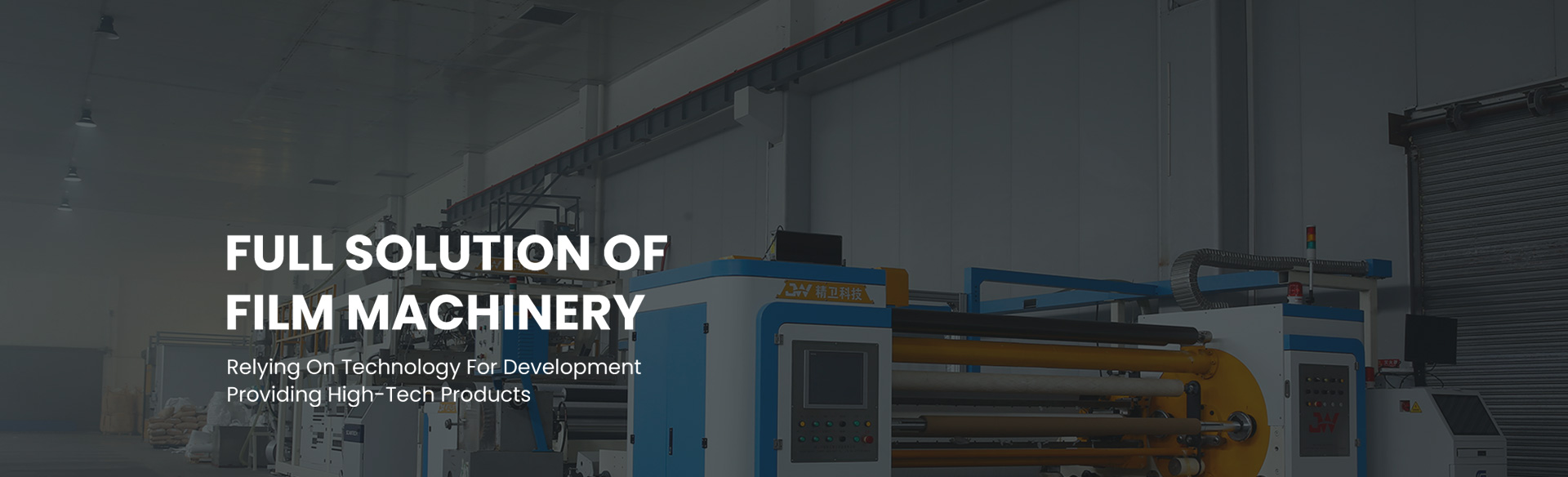
As a film machinery manufacturer, Jingwei provides film production equipment solutions for hygiene material applications, including breathable film casting systems, laminating machines, coating equipment, slitting machines, and inspection rewinding systems.
With experience in film processing technology, Jingwei helps manufacturers select suitable equipment configurations based on product requirements and production goals.
Choosing the right breathable film production technology allows hygiene material manufacturers to achieve stable quality, efficient operation, and long-term competitiveness.