


Gravure Printing Machine vs Flexographic Printing Machine: Which Is Better for Film Printing?
Film printing quality depends on many factors, including printing technology, material compatibility, production speed, color accuracy, and long-term operating cost. When selecting equipment for flexible film production, manufacturers often compare gravure printing machines and flexographic printing machines because both technologies are widely used for continuous roll-to-roll printing.
Although both systems can print patterns and text on flexible materials, their working principles and application advantages are different. A gravure printing machine uses engraved cylinders to transfer ink onto film surfaces, while a flexographic printing machine uses flexible relief plates for printing.
Choosing the right printing technology depends on product requirements, material types, production volume, and quality expectations.
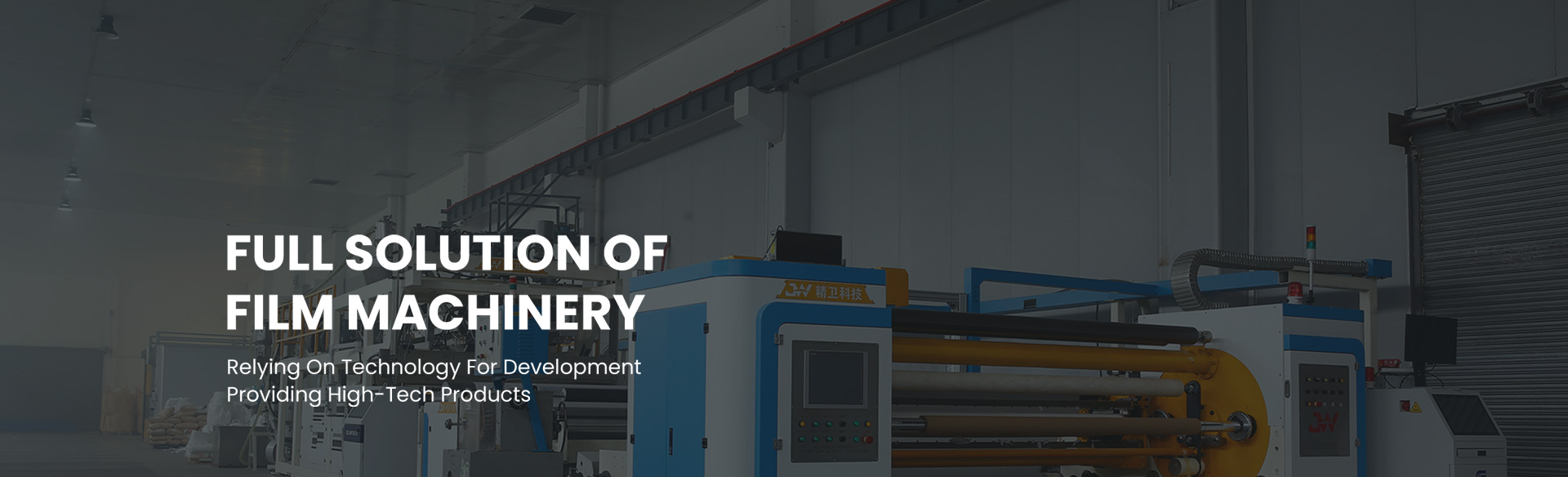
As a professional film machinery manufacturer, JINGWEI provides high-precision gravure printing solutions for PE film, OPP, BOPP, CPP, PET, PVC, paper, and nonwoven materials. Its gravure printing machines integrate automatic unwinding, tension control, color registration systems, drying units, and rewinding systems to support continuous film production. (JINGWEI)
Basic Difference Between Gravure and Flexographic Printing Machines
The biggest difference between gravure and flexographic printing is the method used to transfer ink.
A gravure printing machine uses engraved printing cylinders. Ink fills the recessed cells on the cylinder surface and transfers directly to the film.
A flexographic printing machine uses flexible printing plates mounted on cylinders to transfer ink onto the substrate.
| Comparison | Gravure Printing Machine | Flexographic Printing Machine |
|---|---|---|
| Printing method | Engraved cylinder printing | Flexible plate printing |
| Image quality | Very high detail | Good quality |
| Color consistency | Excellent | Stable |
| Plate preparation | Metal cylinder engraving | Polymer plate making |
| Long production runs | Excellent | Good |
| Setup flexibility | Moderate | Higher |
Gravure printing is commonly selected for high-volume flexible film production where consistent patterns and accurate colors are required.
How Gravure Printing Machines Work
A gravure printing machine is designed for continuous roll-to-roll printing.
The production process includes:
Film unwinding
Material tension control
Ink transfer through engraved cylinders
Drying after each color unit
Multi-color registration
Final rewinding
The engraved cylinder controls ink volume and printing details, allowing stable image reproduction during long production runs.
JINGWEI gravure printing machines support multiple printing units and can achieve registration accuracy within ±0.1mm. The equipment supports printing speeds up to 250m/min depending on model configuration and can process materials including PE, OPP, BOPP, CPP, PET, PVC, nylon, paper, and nonwoven materials. (JINGWEI)
Advantages of Gravure Printing Technology
High printing precision
The engraved cylinder structure provides excellent control over:
Fine patterns
Color density
Image details
Repeat printing accuracy
Stable quality for large production
Gravure printing is suitable for continuous production because cylinder performance remains stable over long periods.
Wide material compatibility
It can process:
Packaging films
Hygiene films
Breathable films
Decorative films
Industrial films
How Flexographic Printing Machines Work
Flexographic printing uses flexible plates to transfer ink onto film materials.
The process includes:
Film feeding
Ink application to printing plate
Material contact printing
Drying system
Rewinding
Flexographic printing offers advantages in quick setup and flexible production changes.
Advantages of Flexographic Printing Technology
Faster job preparation
Printing plates can usually be prepared faster compared with engraved cylinders.
Suitable for shorter production runs
Flexographic printing is suitable when manufacturers need:
More frequent design changes
Multiple product variations
Flexible order quantities
Lower preparation cost for some applications
For projects requiring frequent pattern replacement, flexible plates may reduce preparation complexity.
Film Quality Comparison
Film printing quality depends on color accuracy, registration stability, and surface performance.
| Quality Factor | Gravure Printing | Flexographic Printing |
|---|---|---|
| Fine image reproduction | Excellent | Good |
| Color consistency | Excellent | Good |
| Registration accuracy | Very high | High |
| Long-run stability | Excellent | Good |
| Quick design change | Moderate | Better |
For hygiene materials, premium packaging films, and applications requiring stable patterns over large volumes, gravure printing often provides stronger consistency.
Production Efficiency Comparison
Both technologies can achieve high production efficiency, but their strengths are different.
| Efficiency Factor | Gravure Printing | Flexographic Printing |
|---|---|---|
| Large volume production | Excellent | Good |
| Printing speed | High | High |
| Setup change time | Longer | Shorter |
| Continuous operation | Excellent | Good |
| Repeat quality | Excellent | Stable |
JINGWEI high-speed gravure printing machines can reach speeds up to 400m/min depending on configuration. The electronic line shaft system improves synchronization between printing units while maintaining accurate overprinting performance. (JINGWEI)
Manufacturing Process and Technology Differences
Gravure Printing Process
A gravure printing production line usually includes:
Automatic unwinding
Tension control
Printing cylinders
Ink supply system
Drying modules
Rewinding system
The cylinder engraving determines the printing pattern and ink transfer performance.
Flexographic Printing Process
A flexographic system usually includes:
Plate cylinders
Anilox rollers
Ink supply system
Drying equipment
Rewinding system
The printing plate design determines the final image quality.
Material Compatibility and Application Selection
Different film applications require different printing solutions.
Common film materials include:
PE film
OPP film
BOPP film
CPP film
PET film
PVC film
Nonwoven materials
Gravure Printing Applications
Suitable for:
Hygiene product films
Flexible packaging
High-end printed films
Large-volume decorative films
Flexographic Printing Applications
Suitable for:
General packaging
Labels
Short-run printed materials
Products requiring frequent artwork changes
JINGWEI printing solutions are designed for flexible film processing industries, covering printing, slitting, lamination, and complete film production systems. (JINGWEI)
Quality Control Checkpoints
Reliable film printing requires strict quality management.
| Inspection Point | Purpose |
|---|---|
| Color registration | Maintain pattern alignment |
| Ink viscosity | Ensure printing consistency |
| Drying performance | Prevent ink transfer problems |
| Tension control | Avoid film deformation |
| Surface inspection | Reduce printing defects |
JINGWEI gravure printing machines can be equipped with online defect detection systems, automatic ink filling systems, and fixed-length pattern detection systems to improve production monitoring. (JINGWEI)
Cost Comparison: Initial Investment vs Long-Term Value
Equipment selection should consider total production cost rather than only purchase price.
| Cost Factor | Gravure Printing | Flexographic Printing |
|---|---|---|
| Initial equipment cost | Higher | Moderate |
| Cylinder or plate preparation | Higher | Lower |
| Long production efficiency | Excellent | Good |
| Color consistency | Higher | Good |
| Best production type | Large volume | Flexible production |
For high-volume film printing, gravure technology can provide better long-term value because of its stable quality and production consistency.
Manufacturer vs Trader: Why Technical Capability Matters
Film printing equipment is closely connected with material properties, ink systems, and production processes.
Working directly with a manufacturer provides advantages including:
Customized machine design
Production process analysis
Material testing support
Installation guidance
Technical service
JINGWEI focuses on complete film machinery solutions, including Breathable Film Casting Machines, Pe Film Casting Machines, gravure printing machines, slitting machines, laminating machines, and rewinding equipment. (JINGWEI)
OEM and Customized Printing Solutions
Different applications require different machine configurations.
A customized printing project usually includes:
Material evaluation
Printing requirement analysis
Machine configuration design
Technical confirmation
Manufacturing and testing
Installation support
Customization options include:
Printing width
Number of colors
Drying system
Registration control
Online inspection system
Project Sourcing Checklist
Before selecting a film printing machine, manufacturers should evaluate:
| Evaluation Item | Key Question |
|---|---|
| Film material | What substrate will be printed? |
| Production volume | How many rolls are required daily? |
| Printing quality | What image accuracy is needed? |
| Color requirement | How many colors are required? |
| Artwork changes | Are frequent designs expected? |
| Future expansion | Can the machine be upgraded? |
Export Market Compliance Considerations
For international machinery projects, reliable technical support is essential.
A professional supplier should provide:
Machine documentation
Operation guidance
Installation support
Spare parts service
Remote troubleshooting
These services help maintain stable production after equipment delivery.
Which Printing Machine Is Better for Film Printing?
A gravure printing machine is better suited for:
Large-scale film production
High-quality patterns
Stable color reproduction
Long continuous printing
A flexographic printing machine is better suited for:
Flexible production schedules
Frequent design changes
Shorter production runs
Lower preparation requirements
For manufacturers focused on high-volume flexible film production, gravure printing technology usually provides stronger advantages through precision, stability, and consistent output.
JINGWEI provides professional gravure printing solutions with advanced automation systems, precision control technology, and customized engineering support. Through complete film production equipment, JINGWEI helps manufacturers improve printing quality, production efficiency, and long-term competitiveness.