


Breathable Film Casting Machine vs Non Breathable Film Casting Machine: Key Differences
Choosing the right film casting machine requires a clear understanding of the final film performance, production process, and application requirements. Although Breathable Film Casting Machines and non breathable film casting machines both use polyethylene-based materials and casting technology, they are designed for completely different film functions.
Breathable films focus on moisture vapor transmission and comfort performance, while non breathable films prioritize barrier protection, sealing performance, and structural strength. Selecting the wrong equipment may affect product quality, production efficiency, and long-term investment returns.
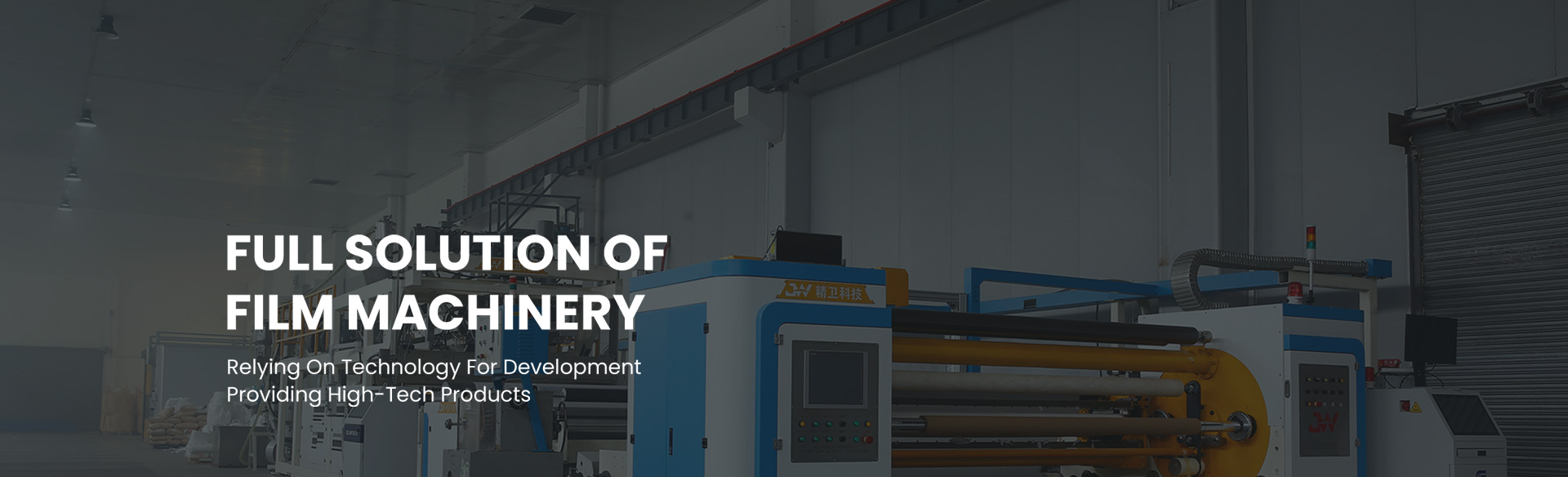
As a professional film machinery manufacturer, JINGWEI provides customized film production solutions, including breathable film casting machines, Pe Film Casting Machines, and integrated cast film production lines. The equipment combines extrusion systems, precision die heads, cooling rollers, winding systems, and optional digital monitoring functions to support stable Film Manufacturing. (JINGWEI)
Basic Difference Between Breathable and Non Breathable Film
The biggest difference between breathable and non breathable films is their functional structure.
A breathable film is designed with microporous characteristics that allow moisture vapor to pass through while preventing liquid water penetration. These films are widely used in hygiene products, medical materials, and protective applications.
A non breathable film creates a stronger barrier layer that blocks moisture, air, and liquids. It is commonly used in packaging, protective films, industrial materials, and applications requiring higher sealing performance.
| Comparison | Breathable Film | Non Breathable Film |
|---|---|---|
| Main function | Moisture vapor transmission | Barrier protection |
| Film structure | Microporous structure | Dense structure |
| Typical materials | PE with functional fillers | PE, PP, and other polymers |
| Main applications | Hygiene and medical materials | Packaging and industrial films |
| Production requirements | Higher process control | Standard film processing |
Difference in Film Casting Machine Design
Although both machines use casting technology, breathable film casting machines require more precise control over material processing.
A standard non breathable film casting machine mainly focuses on:
Stable extrusion
Uniform thickness
Smooth surface quality
High production efficiency
A breathable film casting machine requires additional control over:
Filler dispersion
Melt uniformity
Stretching performance
Microporous structure formation
Air permeability consistency
JINGWEI breathable film casting machines are designed with precision extrusion systems and high-performance components to support functional film production. The cast film production line includes screw extrusion systems, high-precision die heads, spiral cooling rollers, film guiding systems, automatic winding devices, and central control platforms. (JINGWEI)
Manufacturing Process Comparison
Breathable Film Casting Process
Breathable film production requires additional steps compared with conventional film production.
The process usually includes:
Raw material feeding
PE resin and filler mixing
Extrusion melting
Melt filtration
T-die forming
Cooling roller shaping
Stretching treatment
Thickness inspection
Film winding
The stretching stage is critical because it creates the microporous structure responsible for breathability.
Non Breathable Film Casting Process
Non breathable film production usually focuses on stable film formation.
The process includes:
Material feeding
Polymer melting
Extrusion forming
Cooling and shaping
Thickness adjustment
Surface inspection
Winding
The main goal is achieving:
Stable thickness
Good mechanical strength
Smooth surface
Reliable barrier performance
Performance Comparison Between Two Film Types
Different film structures create different performance advantages.
| Performance Factor | Breathable Film | Non Breathable Film |
|---|---|---|
| Moisture vapor transmission | Excellent | Limited |
| Waterproof performance | High | High |
| Barrier ability | Moderate | Excellent |
| Surface protection | Good | Excellent |
| Production complexity | Higher | Lower |
Breathable films are especially valuable in hygiene applications because they help improve comfort by allowing moisture vapor to escape. Non breathable films are preferred when complete isolation and protection are required.
Material Standards and Processing Requirements
Material selection plays an important role in determining production stability.
Breathable film production commonly requires:
PE resin with suitable melt flow properties
Calcium carbonate or functional fillers
Stable material dispersion
Controlled stretching performance
Non breathable film production commonly uses:
LDPE
LLDPE
HDPE
PP materials
The equipment configuration must match the material characteristics.
A professional film machinery manufacturer should evaluate:
Film application
Material formula
Required thickness
Production speed
Quality standards
JINGWEI provides customized equipment solutions based on different material requirements and film applications.
Quality Control Differences
Quality control requirements vary significantly between breathable and non breathable films.
For breathable film production, manufacturers need to monitor:
| Quality Control Point | Purpose |
|---|---|
| Thickness measurement | Maintain film uniformity |
| Air permeability testing | Confirm breathable performance |
| Tensile strength testing | Ensure mechanical stability |
| Surface inspection | Reduce production defects |
| Roll inspection | Improve downstream processing |
For non breathable films, the main checkpoints usually include:
Thickness accuracy
Surface appearance
Tensile strength
Sealing performance
Winding quality
As film functions become more specialized, production monitoring becomes increasingly important.
Production Efficiency and Equipment Investment
Breathable film casting machines generally require higher investment because they involve more complex material processing and stricter process control.
| Investment Factor | Breathable Film Machine | Non Breathable Film Machine |
|---|---|---|
| Equipment complexity | Higher | Moderate |
| Technical requirement | Higher | Standard |
| Material flexibility | Higher | Moderate |
| Product value | Higher | Depends on application |
| Process control | More precise | Standard |
A breathable film production line may provide higher product value because functional films often serve specialized markets.
Manufacturer vs Trader: Why Technical Experience Matters
Film production equipment is a long-term industrial investment. Working directly with a manufacturer provides advantages in engineering support, customization, and production optimization.
A professional manufacturer can provide:
Film application analysis
Machine configuration design
Production testing
Installation support
Technical training
After-sales service
JINGWEI focuses on complete film machinery solutions and provides equipment covering cast film machines, breathable film machines, printing machines, slitting machines, inspection machines, rewinding machines, laminating machines, and automation systems.
OEM and Customized Film Machinery Process
Different film manufacturers have different production goals. A customized machinery project usually includes:
Production requirement analysis
Material evaluation
Equipment design
Technical confirmation
Machine manufacturing
Factory testing
Installation commissioning
Customization options may include:
Film width
Production speed
Layer structure
Automation level
Online inspection system
This allows manufacturers to build production lines that match their specific products.
Bulk Supply and Project Sourcing Checklist
Before choosing a breathable or non breathable film casting machine, manufacturers should evaluate:
| Evaluation Item | Key Question |
|---|---|
| Final product | Is the film breathable or barrier type? |
| Material formula | What raw materials are required? |
| Production capacity | What output is expected? |
| Quality standard | What performance needs to be achieved? |
| Equipment configuration | Does it support future upgrades? |
| Technical support | Is engineering service available? |
Export Market Compliance Considerations
For international film production projects, equipment reliability and technical support are important factors.
A professional supplier should provide:
Complete machine documentation
Installation guidance
Spare parts support
Remote technical assistance
Production optimization service
These factors help reduce risks during overseas equipment operation.
Which Film Casting Machine Should You Choose?
A breathable film casting machine is more suitable for manufacturers producing:
Hygiene films
Medical materials
Moisture management films
Functional PE films
A non breathable film casting machine is more suitable for manufacturers producing:
Packaging films
Protective films
Industrial films
Barrier materials
The best equipment choice depends on the final application, material requirements, and production strategy.
JINGWEI provides professional film machinery solutions with customized engineering capability, intelligent production systems, and complete project support. Through advanced manufacturing technology and strict quality control, JINGWEI helps manufacturers build efficient and reliable film production lines.