


What Factors Affect Palletizing Robot Selection
Product Data Comes Before Robot Model
Palletizing robot selection should start with the finished product, not only the robot arm size. Factories need to confirm product weight, package type, line speed, pallet size, stacking pattern, conveyor height, and available floor space before choosing payload, working radius, gripper type, and control system.
Global automation demand also shows why this decision matters. The International Federation of Robotics reported around 542,000 industrial robot installations in 2024, while global operational robot stock reached about 4.66 million units. This reflects the growing need for stable automated handling in manufacturing lines.
Key Factors In Palletizing Robot Selection
| Selection Factor | Why It Matters | What Buyers Should Confirm |
|---|---|---|
| Payload | Decides whether the robot can lift safely | Product weight plus gripper weight |
| Working radius | Affects conveyor and pallet layout | Robot reach and pallet position |
| End gripper | Controls picking, holding, and release | Roll, carton, bag, bundle, or packed goods |
| Cycle speed | Must match upstream output | Products per minute and stacking rhythm |
| Pallet pattern | Affects transport safety | Layer direction and stacking height |
| Control system | Connects robot, conveyor, sensors, and HMI | PLC logic and signal interface |
| Safety layout | Protects operators and equipment | Guarding, access area, emergency stop |
Why End Gripper Design Is Critical
The robot arm may move accurately, but poor gripper design can still cause slipping, product deformation, unstable stacking, or package damage. Film rolls may need bottom support or side clamping. Cartons may need vacuum or clamp tooling. Soft packages may need a wider contact surface to avoid pressure marks.
JINGWEI’s automated palletizing equipment is described as a system made up of the main robot arm, end gripper mechanism, conveyor line interface module, intelligent sensor system, servo drive mechanism, electronic control system, and human-machine interface. This shows that palletizing performance depends on full-system matching, not only robot movement.
Match Palletizing With The Whole Production Line
In film machinery projects, palletizing should connect smoothly with casting, slitting, inspection rewinding, lamination, winding, and packing processes. If the palletizing robot cannot match upstream output, it may become a new bottleneck at the end of the line.
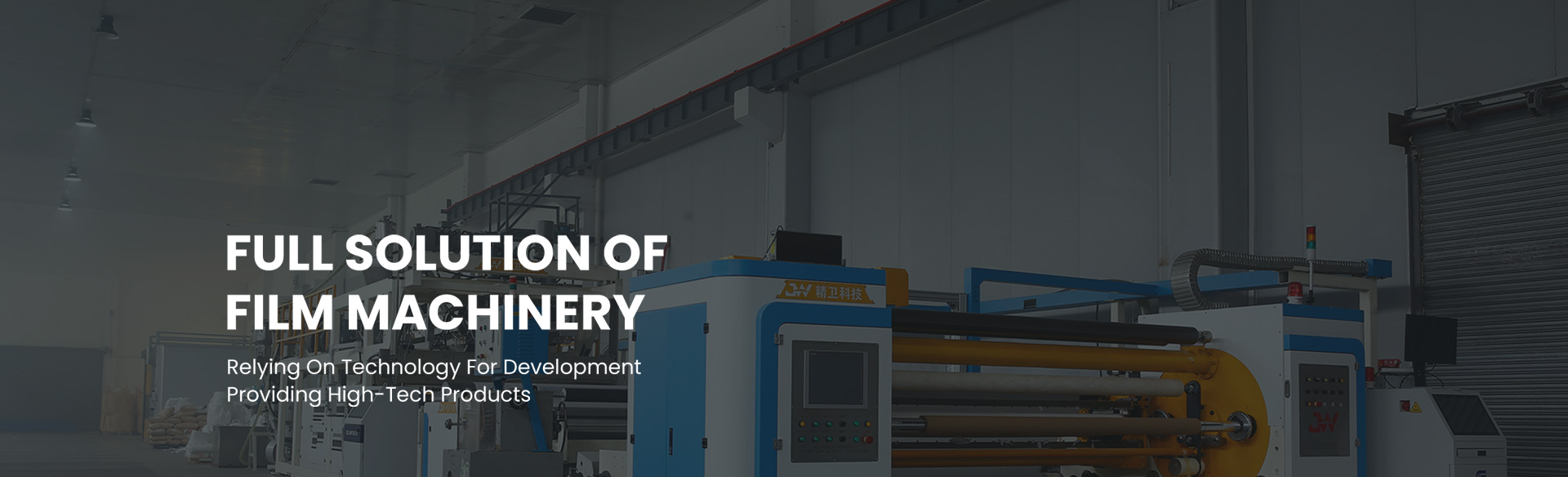
JINGWEI provides integrated film machinery solutions covering casting film machines, breathable film machines, Printing machines, slitting machines, inspection and rewinding machines, laminated machines, and palletizing robot arms. The company also supports digital upgrading and remote diagnosis through its equipment digital system, helping factories handle detection, repair, modification, and upgrading more efficiently.
Professional Advice Before Ordering
Before selecting a palletizing robot, buyers should prepare product drawings, weight range, package strength, pallet size, stacking pattern, line speed, workshop layout, and future product changes. These details help the engineering team evaluate robot payload, gripper structure, conveyor connection, safety layout, and control logic.
JINGWEI can review your production workflow and recommend a practical palletizing robot solution based on real factory conditions. Share your finished product data, output target, and layout plan with our team, and we can help build a stable end-of-line automation plan.