


Risk Assessment Checklist When Sourcing Complex Machinery Projects
Sourcing complex machinery projects such as plastic film production lines, converting systems, or industrial processing equipment involves significant technical and financial investment. These projects often include multiple machines, integrated control systems, and customized engineering solutions. Without a structured risk assessment process, buyers may encounter issues related to equipment compatibility, delivery delays, operational instability, or unexpected project costs. A comprehensive risk assessment checklist helps ensure that machinery procurement decisions are based on reliable technical and operational factors.
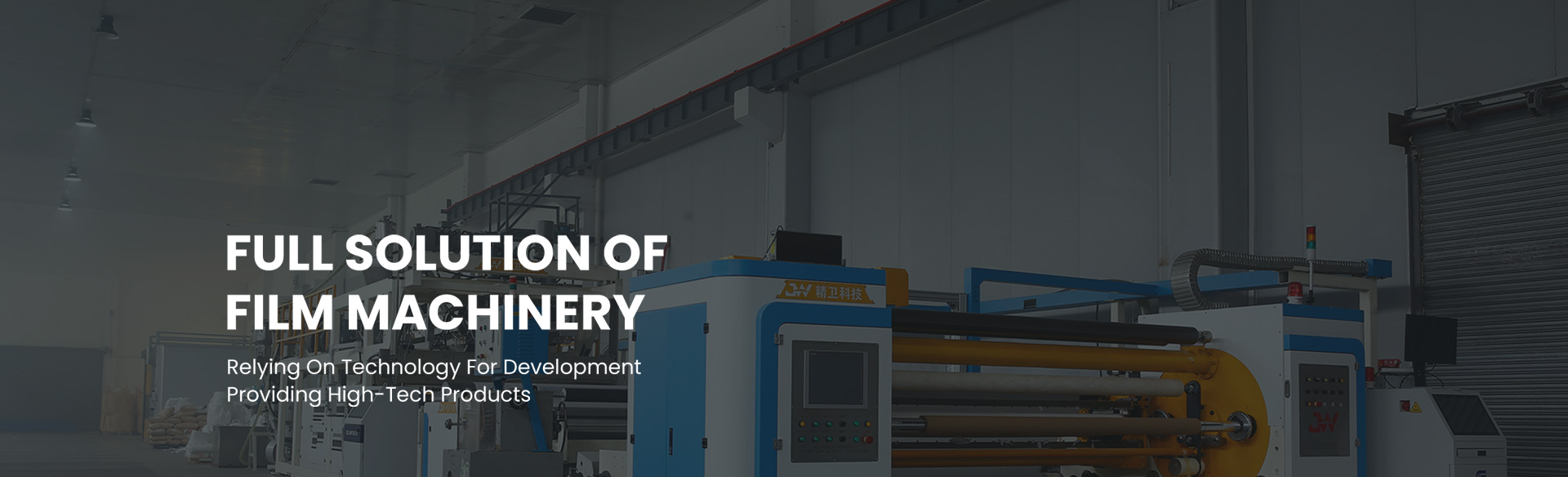
JINGWEI provides integrated film processing equipment including film casting machines, Slitting and inspection rewinding machines, Printing equipment, lamination systems, silicone coating machines, winding upgrades, and palletizing automation. Through structured engineering development and manufacturing management, complex equipment projects can be implemented with controlled risks and stable operational performance.
Technical Compatibility Risk
One of the most common risks in machinery procurement is technical mismatch between equipment design and actual production requirements. Buyers must verify that the equipment configuration aligns with the material properties, production capacity, and product specifications required by the manufacturing process.
Key parameters such as material type, product width, thickness range, operating speed, and output capacity should be clearly defined before equipment design begins. Confirming these specifications helps ensure that the machine architecture can support stable processing conditions and consistent product quality.
Technical compatibility also includes evaluating whether the equipment can integrate with existing production lines or downstream converting systems.
Supplier Engineering Capability
Complex machinery projects require suppliers with strong engineering capabilities. The supplier must be able to translate production requirements into practical machine designs and system configurations.
Evaluating the supplier’s engineering resources, technical experience, and equipment development capability helps determine whether the supplier can manage customized machinery projects. Manufacturers with in-house design teams and production facilities are typically better equipped to handle technical modifications and process optimization during the project lifecycle.
Engineering capability also influences the supplier’s ability to provide long-term technical support and system upgrades.
Manufacturing Capacity And Delivery Risk
Large equipment projects often require the production of multiple machines or complex integrated systems. Insufficient manufacturing capacity may lead to delayed delivery schedules or inconsistent equipment quality.
Buyers should evaluate the supplier’s machining capability, assembly resources, and quality control procedures. Structured production planning and standardized manufacturing processes help ensure that each machine is built according to the same engineering standards.
Clear project timelines and production schedules should be established before equipment manufacturing begins to reduce delivery uncertainties.
Quality Control And Testing Procedures
Quality risks can arise when equipment components are not inspected properly or when manufacturing tolerances are inconsistent. Reliable suppliers implement quality control checkpoints throughout the production process.
Incoming inspection verifies the quality of purchased components such as electrical systems, sensors, and mechanical parts. Precision machining and assembly alignment testing ensure stable equipment operation. Factory acceptance tests verify system performance under simulated production conditions.
Standardized testing procedures help ensure that machinery performs according to the agreed specifications before shipment.
Logistics And Installation Risks
Transporting heavy industrial machinery involves packaging, shipping, and on-site installation challenges. Improper packaging can lead to equipment damage during transportation, while poor logistics planning can delay equipment arrival.
Buyers should confirm that the supplier has structured export packaging methods and coordinated logistics planning. Installation requirements such as factory layout, power supply, cooling systems, and floor load capacity should also be reviewed before equipment delivery.
Proper installation preparation helps reduce commissioning delays and supports faster production startup.
Long-Term Operational Support
Complex machinery projects require reliable technical support after installation. Buyers should evaluate whether the supplier can provide remote technical assistance, spare parts supply, and engineering consultation.
Reliable after-sales support helps resolve operational issues quickly and ensures that equipment continues to operate efficiently over its service life. Long-term service capability also supports equipment upgrades and production expansion.
Building A Structured Procurement Strategy
Sourcing complex machinery projects requires careful evaluation of technical, operational, and logistical risks. A structured risk assessment checklist allows buyers to compare suppliers objectively and reduce uncertainties during equipment procurement.
Through integrated engineering development, manufacturing quality control, and coordinated project management, JINGWEI supports industrial manufacturers with reliable film processing and converting equipment designed to meet modern production standards and large-scale project requirements.