


Pre-Purchase Checklist for Blow Molding And Casting Machine Buyers
Blow molding and casting machines are widely used in plastic packaging, industrial film production, and various manufacturing sectors that require stable polymer processing. Because these machines represent a significant capital investment, buyers must carefully evaluate technical specifications, production capacity, and supplier capabilities before making a purchase decision. A structured pre-purchase checklist helps ensure that the selected equipment meets production requirements and supports long-term operational stability.
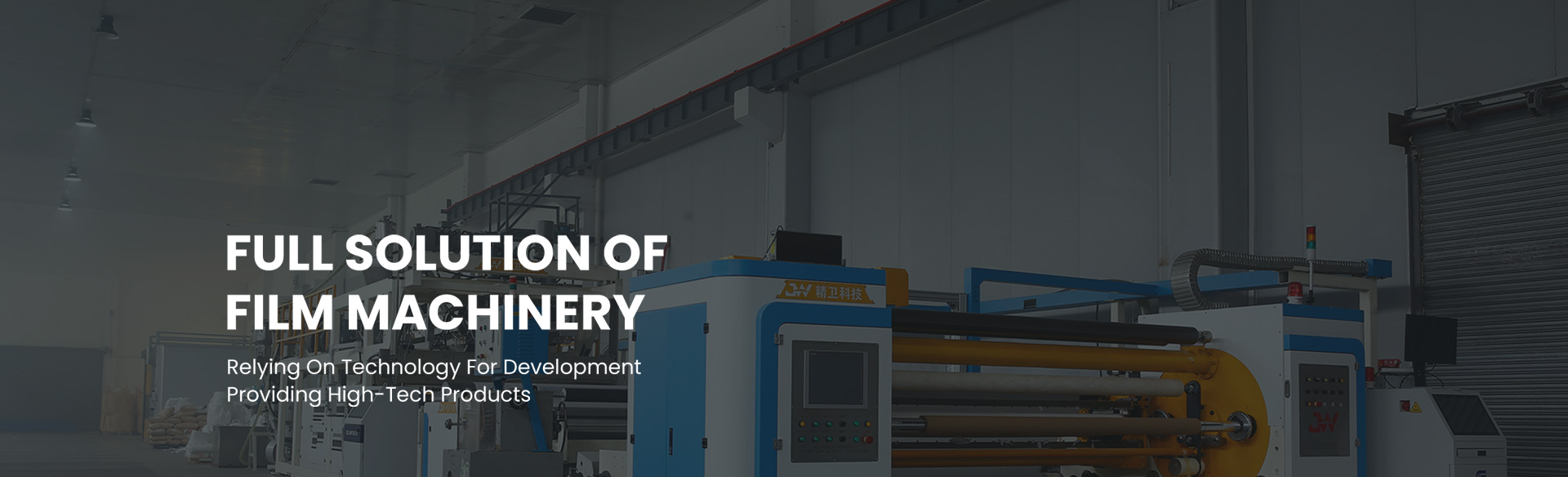
JINGWEI provides integrated film processing equipment including film casting machines, Slitting and inspection rewinding machines, Printing equipment, lamination systems, silicone coating machines, winding upgrades, and palletizing automation. Through manufacturer-led engineering development and production planning, equipment systems can be designed to support reliable industrial manufacturing processes.
Product And Material Requirements
The first step in selecting blow molding or casting equipment is defining the characteristics of the final product. Buyers should determine the material type, product dimensions, thickness range, and structural requirements of the plastic product or film.
Material properties such as polymer type, melt flow characteristics, additive content, and filler ratios directly influence extrusion system configuration and processing conditions. Providing detailed material specifications allows the manufacturer to design appropriate screw structures, temperature control systems, and filtration components.
Clear product and material definitions help ensure that the equipment can deliver stable processing performance.
Production Capacity And Output Targets
Equipment selection must align with the expected production output of the factory. Buyers should define hourly production capacity, maximum operating speed, and typical daily production requirements.
In addition to output volume, stability of continuous operation must also be considered. Machines should be capable of maintaining consistent temperature control, pressure stability, and material flow during extended production cycles.
Matching machine capacity with real production targets helps avoid underperforming equipment or unnecessary overinvestment.
Machine Structure And Mechanical Precision
Mechanical structure plays an important role in equipment durability and operational stability. Machine frames, rollers, screws, barrels, and transmission systems must maintain precise alignment during high-speed operation.
Manufacturers should follow strict machining tolerance standards and structured assembly procedures to ensure consistent mechanical accuracy. Precision components reduce vibration, improve process stability, and extend equipment service life.
Evaluating structural durability helps buyers select equipment that can operate reliably under industrial production conditions.
Control System And Automation Capability
Modern plastic processing equipment often includes advanced control systems that manage temperature, pressure, speed, and tension parameters. Buyers should evaluate whether the control system allows precise parameter adjustment and stable operational control.
Automation features such as recipe management, alarm monitoring, and data recording can improve production efficiency and simplify machine operation. These functions are particularly valuable in factories that operate multiple production lines.
A reliable control system contributes to consistent product quality and efficient equipment management.
Quality Control And Equipment Testing
Before shipment, equipment should undergo structured quality inspection and performance verification. Incoming inspection confirms the quality of purchased electrical and mechanical components used in machine assembly.
During manufacturing, machining accuracy and mechanical alignment must be verified to ensure stable equipment performance. Factory acceptance tests should simulate production conditions to confirm system stability, temperature control performance, and operational reliability.
Clear testing procedures help ensure that the machine meets engineering requirements before delivery.
Logistics Planning And Installation Preparation
Blow molding and casting machines are often large industrial systems that require careful packaging and transport planning. Equipment modules must be protected during shipping to prevent vibration damage or environmental exposure.
Buyers should also prepare installation conditions before equipment arrival. Factory infrastructure such as electrical supply, cooling systems, compressed air, and floor load capacity must be verified in advance.
Proper installation preparation helps ensure efficient equipment commissioning and production startup.
Evaluating Supplier Capability
Choosing the right equipment supplier is just as important as selecting the correct machine specifications. Buyers should evaluate the supplier’s engineering expertise, manufacturing capacity, and quality control procedures.
Manufacturers with integrated engineering and production capabilities can better support customized equipment design, equipment installation, and long-term technical service. Reliable supplier support contributes to stable production performance and future equipment upgrades.
Through integrated engineering development, controlled manufacturing processes, and coordinated project delivery, JINGWEI supports industrial manufacturers with reliable film casting and converting equipment designed for modern plastic production environments.