


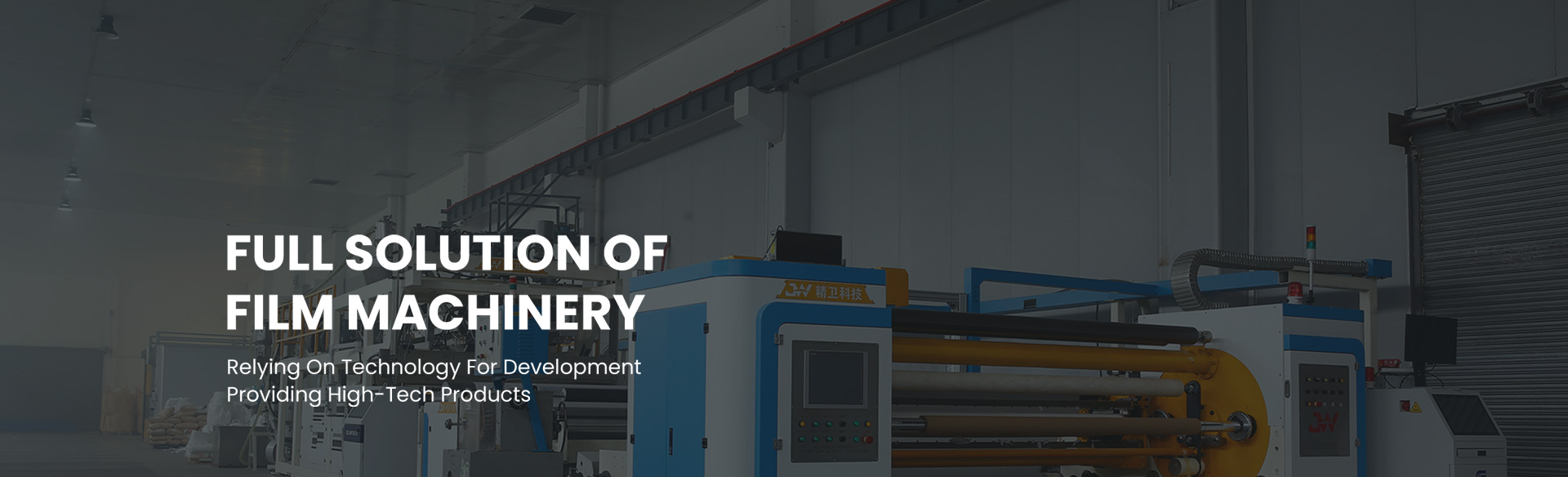
Technical Specification Checklist for Film Printing And Rewinding Systems
Film Printing and rewinding systems are essential components in modern packaging and converting production lines. These machines handle printed plastic films used in food packaging, industrial materials, medical films, and consumer product wrapping. Because film materials vary widely in thickness, surface treatment, and tension sensitivity, selecting the correct equipment requires detailed technical evaluation. A clear technical specification checklist helps ensure that the printing and rewinding system can achieve stable operation, accurate printing quality, and reliable roll formation.
JINGWEI provides integrated film processing equipment including film casting machines, printing equipment, Slitting and inspection rewinding machines, lamination systems, silicone coating machines, winding upgrades, and palletizing automation. By combining equipment engineering with production workflow design, printing and rewinding systems can be optimized to support high-efficiency converting operations.
Film Material And Product Specifications
The first step in defining technical specifications is identifying the material characteristics of the film to be processed. Different polymers such as polyethylene, polypropylene, and multilayer composite films behave differently during printing and rewinding operations.
Buyers should provide detailed information including film thickness range, web width, roll diameter, and surface treatment characteristics. Material properties such as tensile strength, elasticity, and friction coefficient influence tension control design and rewinding performance. Accurate material data allows manufacturers to configure the machine for stable web handling and consistent print quality.
Printing System Configuration
The printing section must be designed according to the required printing method and production capacity. Technical specifications should define printing width, printing speed, color station configuration, and registration accuracy.
Ink transfer systems, drying structures, and roller surface treatments must also be considered during equipment selection. Stable printing requires precise web guiding and consistent tension control across the entire printing path. Proper printing system configuration ensures that color alignment and print clarity remain consistent during long production runs.
Tension Control And Web Handling
Film materials are sensitive to tension fluctuations during printing and rewinding. Poor tension control can cause wrinkles, misalignment, or inconsistent roll formation.
Technical specifications should include tension control architecture, load cell configuration, and dancer roller structures used to stabilize web movement. Web guiding systems help maintain accurate alignment throughout the printing and rewinding process. These systems are especially important for high-speed production environments where even small deviations can affect product quality.
Rewinding Structure And Roll Formation
The rewinding system determines the final quality of finished film rolls. Proper rewinding structure ensures that rolls maintain stable density and alignment during storage and transportation.
Specifications should define maximum roll diameter, rewinding speed capability, shaft structure, and roll tension control strategy. The rewinding system must maintain consistent pressure distribution across the film roll to prevent telescoping or deformation.
Reliable roll formation is critical for downstream processes such as packaging, cutting, or distribution.
Mechanical Precision And Structural Stability
Printing and rewinding systems operate at high speeds and require precise mechanical alignment. Rollers, shafts, and machine frames must be machined according to strict tolerance standards to maintain stable web movement.
Manufacturers should implement structured machining procedures and alignment verification during equipment assembly. Precision mechanical construction reduces vibration, improves print registration accuracy, and ensures stable machine operation over long production cycles.
Equipment durability also plays an important role in maintaining consistent production performance.
Quality Control And Factory Testing
Before shipment, film printing and rewinding equipment should undergo comprehensive quality inspection and operational testing. Incoming component inspection verifies purchased electrical and mechanical parts.
Assembly inspection confirms mechanical alignment and web path accuracy. Electrical system testing verifies control logic, safety systems, and automation performance. Factory acceptance tests simulate production conditions to confirm printing stability, tension control accuracy, and rewinding performance.
Standardized testing procedures help ensure that the equipment meets project requirements before installation.
Export Documentation And Installation Support
For international equipment projects, proper documentation and export preparation are essential. Machinery shipments should include mechanical drawings, electrical diagrams, operation manuals, and maintenance instructions.
These documents help installation teams assemble and commission the equipment efficiently. Clear technical documentation also supports operator training and long-term equipment maintenance.
Through integrated engineering development, manufacturing quality control, and coordinated project delivery, JINGWEI supports packaging manufacturers with reliable film printing and rewinding systems designed to meet modern industrial production standards and global market requirements.
Previous:
Next: Key Procurement Criteria for Outdoor Durable Packaging Equipment