


Volume Price Negotiation: Manufacturer Pricing Vs Trader Mark-Ups
When sourcing industrial machinery such as film extrusion lines, slitting machines, or converting equipment, buyers often receive quotations from both manufacturers and trading companies. While the equipment specifications may appear similar, pricing structures can differ significantly. Understanding how manufacturer pricing compares with trader mark-ups is essential for companies planning large equipment purchases or long-term production investments.
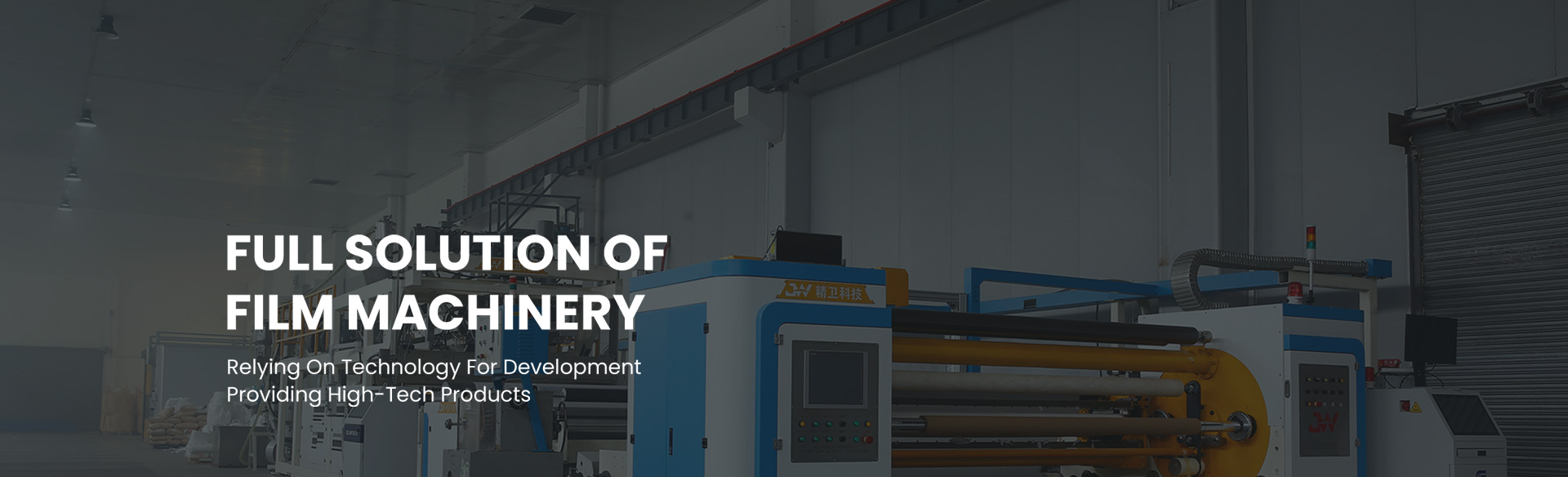
JINGWEI provides integrated film processing solutions including film casting machines, slitting and inspection rewinding machines, Printing equipment, lamination systems, silicone coating machines, winding upgrades, and palletizing automation. By working directly with a manufacturer, buyers can gain greater pricing transparency and stronger technical support throughout the equipment lifecycle.
Manufacturer Pricing Structure
Manufacturers typically build quotations based on engineering design, raw material costs, machining labor, assembly processes, and quality inspection requirements. Because the manufacturer directly controls production resources and technical development, pricing can be calculated based on actual manufacturing costs and project complexity.
For large equipment orders, manufacturers can adjust pricing according to production volume, shared components, and manufacturing efficiency. Ordering multiple machines within the same project often allows cost reductions through standardized parts, batch production of components, and simplified assembly workflows.
This structure provides buyers with more predictable pricing and better alignment between equipment cost and technical value.
How Trader Mark-Ups Occur
Trading companies generally act as intermediaries between equipment factories and international buyers. Since traders do not manufacture the machinery themselves, they obtain equipment from a factory and add a margin to cover sales operations, communication management, and project coordination.
The final quotation presented to the buyer therefore includes both the original equipment price and the trader’s additional margin. In some cases, traders may also adjust pricing to cover currency fluctuations, logistics coordination, or extended communication cycles.
While traders can simplify communication for buyers unfamiliar with equipment sourcing, their involvement usually results in higher total equipment costs compared with purchasing directly from a manufacturer.
Price Transparency In Bulk Equipment Projects
For large-scale machinery projects, price transparency becomes especially important. When ordering multiple machines, buyers need to understand how pricing is structured across equipment units, spare parts, and installation services.
Manufacturers can usually provide clearer cost breakdowns because they control the engineering design and manufacturing process. This allows buyers to evaluate which parts of the equipment contribute most to the total project cost and where efficiency improvements may be possible.
In contrast, trader quotations often combine equipment costs and service margins into a single figure, making it more difficult to analyze the real manufacturing value of the equipment.
Negotiation Strategies For Volume Orders
Volume price negotiation is often more effective when buyers work directly with manufacturers. Large equipment projects allow manufacturers to optimize production scheduling, batch machining operations, and component procurement.
Buyers can negotiate more competitive pricing by confirming order quantities early, standardizing equipment configurations, and planning long-term cooperation. These strategies help manufacturers reduce production complexity while maintaining stable delivery schedules.
Clear technical specifications and well-defined project timelines also improve negotiation outcomes by reducing engineering uncertainty during the quotation stage.
Long-Term Cost Considerations
The initial purchase price is only one part of the total cost of industrial machinery. Maintenance support, spare part availability, process optimization assistance, and future equipment upgrades also affect long-term operating costs.
Manufacturers typically provide direct technical support, engineering upgrades, and remote troubleshooting services because they control the equipment design and system architecture. This direct relationship can reduce operational downtime and improve production efficiency over the lifetime of the machinery.
Choosing The Right Procurement Approach
When evaluating machinery suppliers, buyers should consider not only price but also engineering capability, production capacity, quality control standards, and long-term technical support.
Direct cooperation with a manufacturer often provides clearer pricing structures, stronger engineering collaboration, and more reliable after-sales support. These advantages become especially important for large equipment projects that require stable production performance and long-term operational reliability.
Through integrated engineering development, controlled manufacturing processes, and global project support, JINGWEI helps manufacturers build efficient film processing and converting systems that meet modern industrial production requirements.