


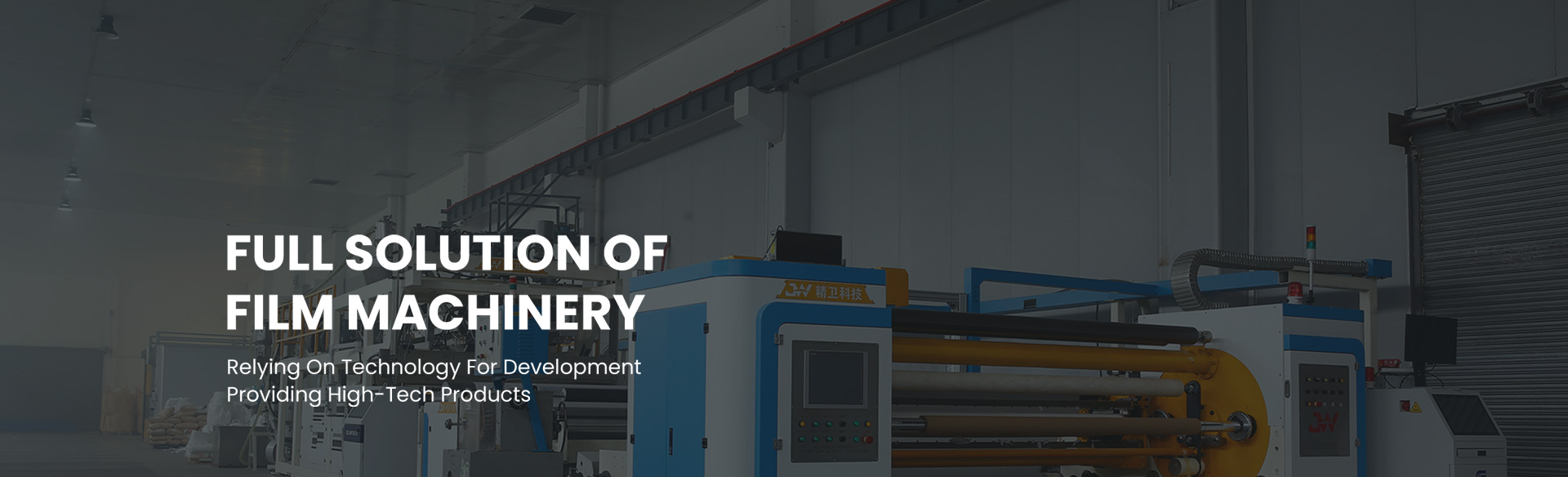
In packaging and film processing industries, Printing and converting machinery forms the backbone of large-scale production systems. As companies expand capacity, it is common to place mass orders for multiple machines within a single project. However, managing lead time becomes a critical challenge when several equipment units must be manufactured, tested, delivered, and installed within strict production schedules. Effective lead time planning ensures that equipment arrives on time while maintaining manufacturing quality and project coordination.
JINGWEI provides integrated equipment solutions including film casting machines, slitting and inspection rewinding machines, printing equipment, lamination systems, silicone coating machines, winding upgrades, and palletizing automation. Through structured engineering management and coordinated production planning, large equipment orders can be delivered with stable quality and predictable timelines.
Engineering Preparation Before Manufacturing
Lead time management begins during the engineering stage. Before equipment manufacturing starts, the manufacturer and buyer must finalize all technical specifications, machine configurations, and production parameters.
This stage includes confirming machine structure, control system architecture, production width, speed requirements, and downstream process compatibility. Clear engineering documentation helps prevent design changes after manufacturing begins. When technical requirements are stable from the beginning, the entire manufacturing schedule becomes more predictable.
Production Capacity And Manufacturing Scheduling
Mass orders for printing and converting machinery require significant manufacturing capacity. Key components such as rollers, frames, shafts, and electrical control systems must be produced according to strict machining standards and assembly procedures.
Manufacturers must coordinate machining schedules, component procurement, and assembly resources to ensure that each machine is completed according to the project timeline. Structured production scheduling allows multiple machines to be manufactured simultaneously without compromising quality control.
Suppliers with integrated manufacturing capabilities are generally better positioned to manage large equipment orders efficiently.
Component Supply And Material Planning
Equipment manufacturing depends on the timely availability of mechanical parts, electrical components, sensors, and automation systems. For mass equipment orders, component procurement must be planned early to avoid delays caused by supply shortages.
Establishing a clear bill of materials and confirming component availability allows manufacturers to secure critical parts in advance. Early procurement planning also helps maintain stable pricing and reduces the risk of supply chain disruptions during production.
Quality Control During Production
Maintaining consistent quality across multiple machines is essential for large equipment orders. Quality control checkpoints are implemented throughout the manufacturing process to ensure that each machine meets engineering standards.
Incoming inspection verifies purchased components before assembly. Precision machining ensures roller alignment and structural accuracy. Electrical system testing confirms stable control logic and safety system Functionality. Each machine should pass factory acceptance testing to verify operational stability and performance consistency.
Standardized testing procedures ensure that all machines perform according to the same production specifications.
Logistics Coordination And Delivery Planning
Transporting large printing and converting machinery requires careful logistics coordination. Machines must be packed securely to protect precision components during international transport.
Clear container loading plans, packing lists, and shipping documentation help prevent delays during transportation and customs clearance. Coordinated delivery schedules also allow installation teams to prepare factory sites in advance.
Proper logistics planning ensures that equipment arrives on time and can be installed according to the project schedule.
Installation And Commissioning Planning
Lead time management does not end with equipment delivery. Installation and commissioning schedules must be coordinated with factory construction progress, utility connections, and operator training plans.
Sequential commissioning allows each machine to be tested, calibrated, and stabilized before the next unit enters production. Structured commissioning procedures help ensure smooth startup and reduce operational risks during early production stages.
Achieving Reliable Delivery For Large Equipment Projects
Mass orders of printing and converting machinery require careful coordination across engineering design, manufacturing, logistics, and commissioning. When these stages are managed under a structured manufacturing framework, equipment delivery timelines become more predictable and operational risks are reduced.
Through integrated engineering development, controlled manufacturing processes, and coordinated project delivery, JINGWEI supports large-scale equipment projects with reliable machinery solutions capable of meeting modern industrial production requirements and international export standards.