


In industrial machinery manufacturing, quality assurance begins long before equipment leaves the factory. For OEM machinery projects, especially in film processing and converting equipment, sample approval and pre-production adjustments are critical steps that ensure the final equipment can meet real production requirements. These stages help transform engineering drawings into verified manufacturing solutions while minimizing risks before large-scale equipment production begins.
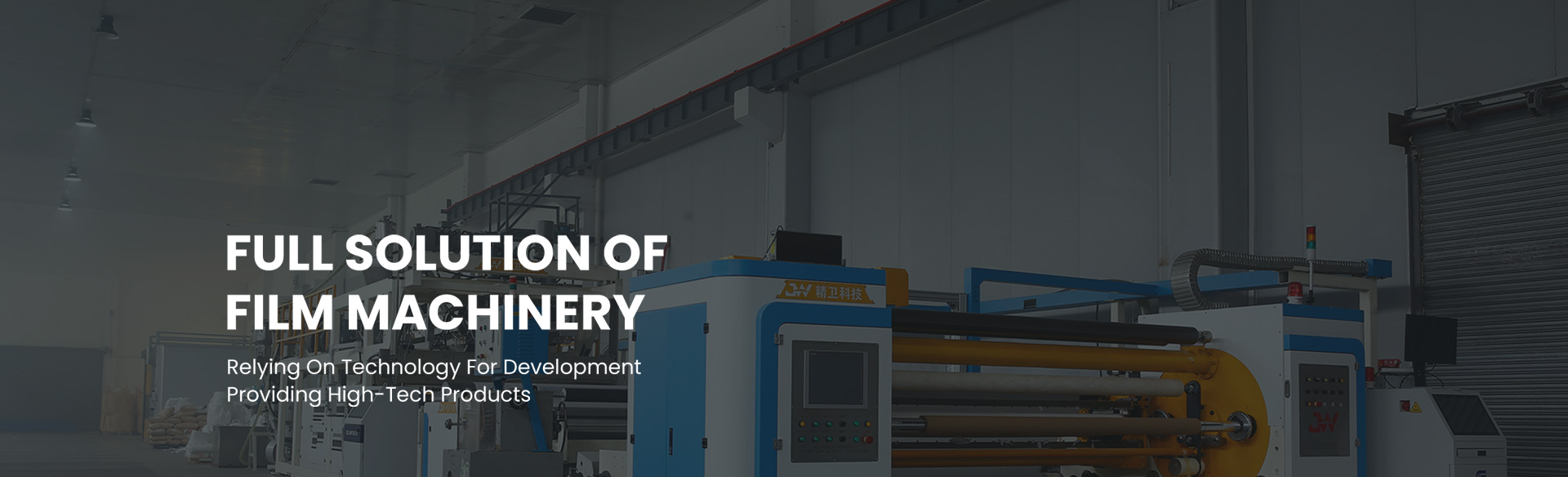
JINGWEI focuses on integrated film processing solutions including film casting machines, Slitting and inspection rewinding machines, Printing equipment, lamination systems, silicone coating machines, winding upgrades, and palletizing automation. Through a structured OEM development workflow, quality control begins during design validation and continues through manufacturing, testing, and commissioning.
Importance Of Sample Approval In OEM Machinery Projects
Sample approval plays a vital role in confirming that the equipment design matches the customer’s production targets. During this stage, manufacturers verify critical parameters such as film thickness consistency, tension stability, line speed performance, and roll formation quality.
For equipment related to film casting, slitting, and rewinding operations, even small deviations in mechanical alignment or process control can affect production results. By evaluating test samples and production simulations before mass manufacturing, both manufacturer and customer can confirm that the system configuration meets expected performance standards.
Sample approval also allows adjustments to key components such as extrusion temperature control profiles, slitting knife arrangements, winding tension settings, and cooling system parameters.
Pre-Production Engineering Adjustments
After the sample verification stage, manufacturers implement pre-production adjustments to optimize the equipment configuration. These adjustments often involve refining mechanical structures, improving control system parameters, and optimizing operational stability.
Engineering teams review the test results and identify areas that may require modification. For example, adjustments may include improving roller alignment precision, modifying tension control algorithms, or optimizing temperature control loops. These refinements ensure that the final production equipment operates consistently under continuous industrial workloads.
Pre-production adjustments are particularly important when customized equipment is developed for new materials or unique packaging applications.
Manufacturing Quality Control Checkpoints
Once design validation and pre-production optimization are completed, equipment enters the manufacturing phase. Quality control procedures are implemented throughout the production process to ensure that every component meets engineering standards.
Incoming inspection verifies the quality of purchased electrical and mechanical components. Precision machining of rollers, shafts, and frames follows defined tolerance standards to maintain stable web movement during operation. Assembly inspection confirms mechanical alignment, while electrical testing verifies system control reliability and safety protection functions.
Before shipment, a factory acceptance test verifies equipment stability under simulated production conditions, ensuring that the machinery performs according to project specifications.
Bulk Production Stability And Project Planning
For customers ordering multiple machines or planning long-term equipment expansion, maintaining consistent quality across equipment batches is essential. Standardized manufacturing procedures and documented testing protocols help ensure that each machine maintains the same operational performance.
Production scheduling, spare parts planning, and documentation preparation must also be coordinated to support large equipment projects and international delivery requirements.
Export Compliance And Documentation
OEM machinery intended for international markets must meet industrial safety requirements and export documentation standards. Equipment design should include safety protection systems, risk assessment procedures, and clear operating guidelines.
Comprehensive documentation packages typically include mechanical drawings, electrical diagrams, operation manuals, and maintenance instructions. These documents support safe installation, equipment commissioning, and long-term maintenance.
Ensuring Reliable OEM Equipment Performance
Quality assurance in OEM machinery is not a single inspection step but a continuous process that includes design validation, sample approval, engineering adjustments, and controlled manufacturing. By verifying equipment performance before full-scale production begins, manufacturers can reduce operational risks and ensure reliable long-term performance.
Through structured engineering development, manufacturing quality control, and ongoing technical support, JINGWEI helps customers build stable film processing and converting systems capable of meeting modern industrial manufacturing and export market requirements.