


Design Collaboration: Working With Machinery Oems for Specialized Packaging Lines
In modern packaging manufacturing, production lines are rarely composed of a single machine. High-efficiency packaging operations require coordinated systems that include extrusion or film production equipment, Printing units, lamination machines, slitting systems, inspection rewinding machines, and automated material handling solutions. Because every packaging product has different material structures, thickness requirements, and output targets, design collaboration with machinery OEM manufacturers has become essential for building specialized packaging lines.
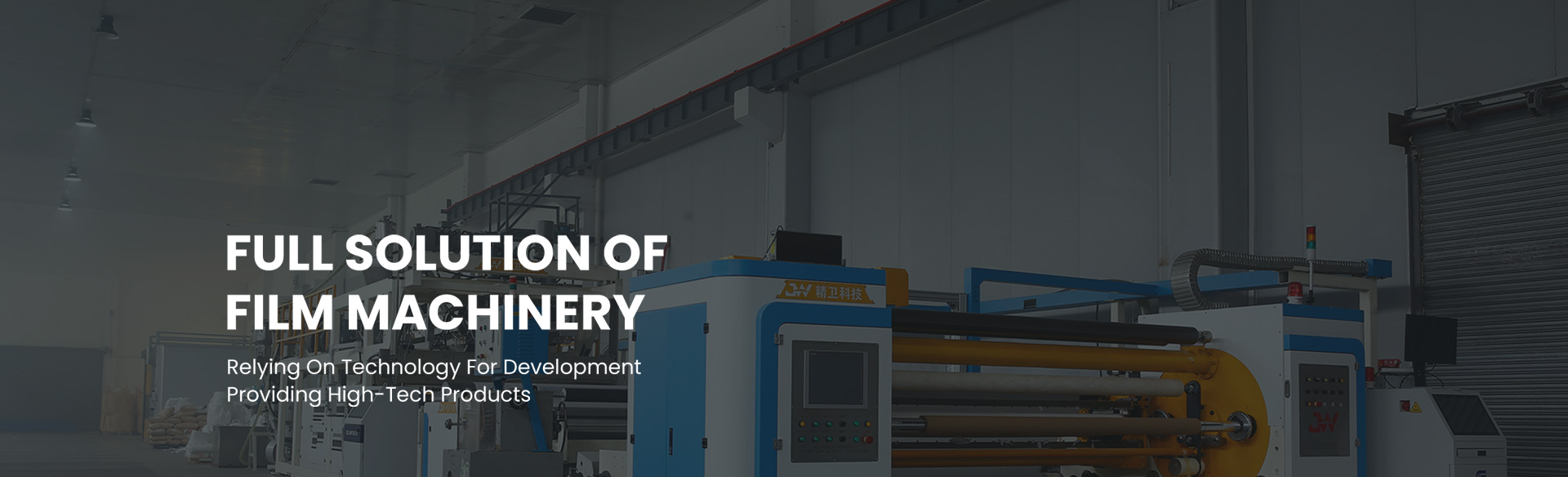
JINGWEI focuses on integrated film processing solutions including film casting machines, slitting and inspection rewinding machines, printing equipment, lamination systems, silicone coating machines, winding upgrades, and palletizing automation. By combining equipment engineering with production workflow design, customized packaging production lines can be developed from concept to full industrial operation.
Why Manufacturer Collaboration Matters In Packaging Line Design
Specialized packaging lines require precise coordination between different process stages. Film tension control, web alignment, coating stability, and winding performance must remain consistent across multiple machines. When equipment is sourced directly from a manufacturer involved in the design stage, the system architecture can be optimized to ensure compatibility between modules.
Manufacturers possess engineering knowledge covering mechanical structure, electrical control systems, and production process parameters. This allows them to design equipment configurations that match the customer's product specifications and factory conditions. Compared with purchasing equipment through intermediaries, direct collaboration with a manufacturer enables faster technical communication, more accurate customization, and improved long-term equipment stability.
Translating Product Requirements Into Production Line Design
A successful collaboration begins with clear technical requirements. The packaging product determines many aspects of the machinery configuration, including material characteristics, thickness range, web width, and final roll dimensions.
Manufacturers analyze these parameters and convert them into engineering solutions. Extrusion capacity, die design, chill roll performance, coating precision, slitting knife configuration, and rewinding tension control are all selected according to the final product requirements. Production capacity targets and factory utility conditions such as power supply, cooling systems, and installation space are also incorporated into the design process.
Through this engineering analysis, the complete production line architecture can be defined before manufacturing begins.
Manufacturing Process And Quality Control
After design confirmation, machinery enters the production stage. Key structural components such as rollers, shafts, frames, and extrusion elements are machined according to strict tolerance standards. Precision machining ensures stable web movement and consistent tension distribution during high-speed operation.
Quality control checkpoints are implemented throughout the manufacturing process. Incoming component inspection verifies the quality of purchased parts. Mechanical alignment tests confirm roller parallelism and structural accuracy. Electrical system testing validates the stability of control logic and safety protection systems.
Before shipment, a factory acceptance test is conducted to verify operational stability, line speed capability, and system response under simulated production conditions.
Bulk Equipment Supply And Project Planning
Large packaging projects often require multiple production lines or phased equipment installation. In these cases, planning for bulk equipment supply becomes essential.
Standardizing key components across machines helps simplify spare part management and maintenance procedures. Coordinated production scheduling ensures equipment can be delivered within project timelines. Proper packing design, labeling, and logistics planning are also necessary to protect machinery during international transport.
Effective project coordination between manufacturer and buyer helps reduce installation delays and supports faster production ramp-up after equipment delivery.
Export Compliance And Technical Documentation
Packaging machinery exported to international markets must meet industrial safety and documentation requirements. Engineering design should incorporate safety risk assessment, electrical protection systems, and operational safeguards.
Comprehensive documentation packages should accompany each production line. These include mechanical drawings, electrical diagrams, operation manuals, and maintenance instructions. Clear documentation supports safe installation, efficient commissioning, and long-term equipment reliability.
Building Specialized Packaging Lines Through Engineering Partnership
Developing a specialized packaging production line requires more than purchasing individual machines. It requires engineering coordination across multiple processes and equipment modules. When manufacturers participate directly in the design process, packaging lines can be optimized for stability, efficiency, and long-term performance.
Through integrated equipment development and technical collaboration, JINGWEI helps manufacturers build advanced packaging production systems capable of supporting modern industrial manufacturing and large-scale production requirements.