


Odm Strategy for Slitting And Rewinding Equipment: From Prototype To Bulk Production
In modern film converting industries, slitting and rewinding machines play a critical role in transforming large master rolls into finished products ready for packaging, Printing, lamination, or distribution. Because film materials, roll widths, and production targets vary widely between factories, many buyers prefer ODM development rather than purchasing standard equipment. An ODM strategy allows a manufacturer to participate in the design stage and build a slitting and rewinding system tailored to specific production requirements.
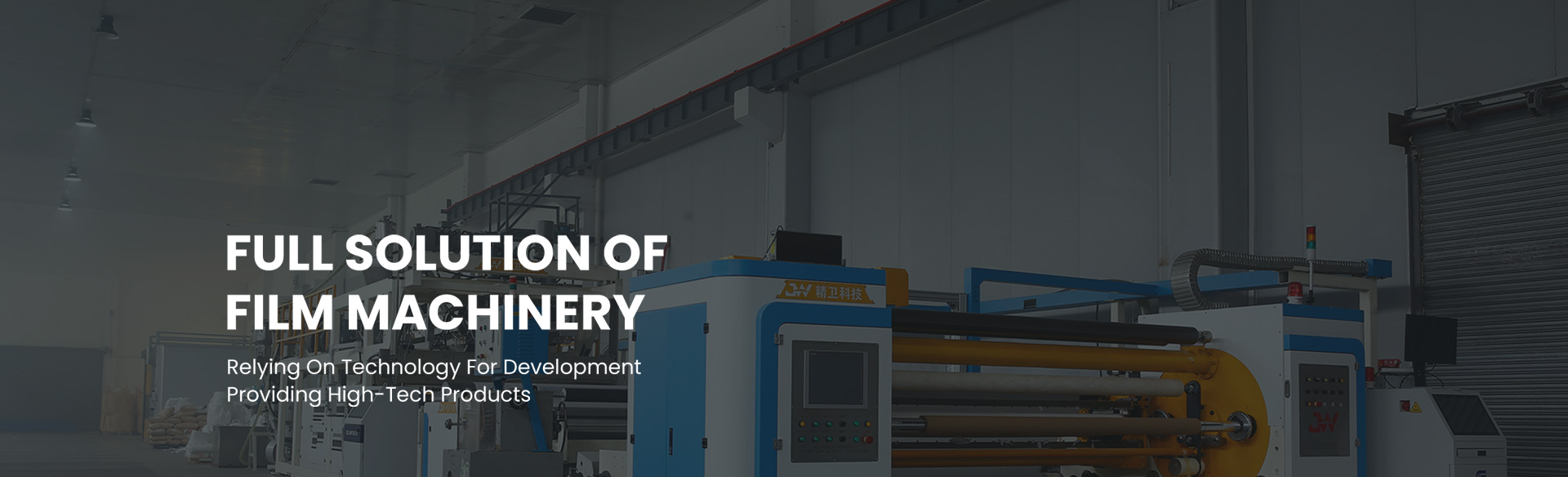
JINGWEI specializes in providing integrated converting solutions covering film casting machines, slitting and inspection rewinding machines, printing equipment, lamination systems, silicone coating machines, winding upgrades, and palletizing automation. Through a manufacturer-led ODM process, equipment design can be optimized to match real production environments and long-term output goals.
Manufacturer-Led ODM Development
ODM differs from traditional OEM manufacturing because the supplier participates directly in equipment design and engineering decisions. Instead of simply producing equipment according to fixed drawings, the manufacturer develops the mechanical structure, control architecture, and process configuration based on the customer's production objectives.
This approach is particularly important for slitting and rewinding equipment because material characteristics such as film thickness, tension sensitivity, and roll hardness require customized machine configurations. Factors such as unwinding tension control, knife system configuration, web guiding accuracy, and rewinding shaft structure must all be optimized to ensure stable operation.
When equipment is developed directly by a manufacturer rather than through a trading intermediary, engineering adjustments can be implemented more efficiently. The manufacturer controls the mechanical design, machining tolerances, assembly standards, and control system programming, which helps ensure that the final machine meets both performance and durability expectations.
Prototype Development And Engineering Validation
The first stage of an ODM project focuses on prototype design and technical verification. During this phase, production targets are converted into equipment specifications. Key parameters include material type, film thickness range, maximum roll diameter, slitting width tolerance, and desired line speed.
Based on these parameters, the manufacturer designs the machine structure, selects the appropriate knife system, determines the tension control architecture, and develops the electrical control program. Prototype testing verifies operational stability, tension balance, and rewinding performance under simulated production conditions.
Engineering validation also ensures that the equipment can handle variations in material properties and maintain stable roll quality during continuous production.
Manufacturing Workflow And Quality Control
Once the prototype design is confirmed, the project moves into production manufacturing. Precision machining of rollers, shafts, and mechanical frames ensures stable alignment during high-speed operation. Assembly procedures follow defined tolerance standards to maintain consistent tension distribution and web tracking accuracy.
Quality control checkpoints are integrated throughout the manufacturing process. Incoming component inspection verifies the quality of purchased electrical and mechanical parts. Mechanical alignment testing confirms roller parallelism and shaft concentricity. Electrical system verification ensures control stability and safety system reliability.
Before shipment, a factory acceptance test validates machine performance, including line speed stability, slitting accuracy, tension control response, and rewinding roll formation.
Bulk Production Planning And Supply Stability
For customers planning multiple production lines or long-term equipment deployment, bulk supply planning becomes an important part of the ODM strategy. Standardizing key components across equipment lines simplifies maintenance and spare part management.
Production capacity, delivery schedules, and documentation preparation must also be coordinated to ensure that multiple machines can be delivered and installed according to project timelines. Proper export packing, labeling, and logistics planning reduce transport risks and simplify international shipment procedures.
Compliance And Export Market Requirements
Export-ready converting equipment must comply with international industrial safety and documentation standards. Risk assessment, electrical safety design, and equipment labeling should be integrated into the engineering stage rather than added later.
Complete documentation packages should include mechanical drawings, electrical diagrams, operation manuals, and maintenance instructions. These materials help ensure smooth installation, safe operation, and long-term reliability in different production environments.
From Prototype Design To Industrial Production
A well-structured ODM strategy enables slitting and rewinding equipment to evolve from a prototype concept into a stable production solution. When engineering design, manufacturing control, and commissioning support are managed by a single manufacturer, equipment reliability and production efficiency are significantly improved.
Through continuous engineering development and integrated production equipment solutions, JINGWEI supports customers in building high-performance film converting lines capable of meeting modern industrial manufacturing standards and large-scale production requirements.