


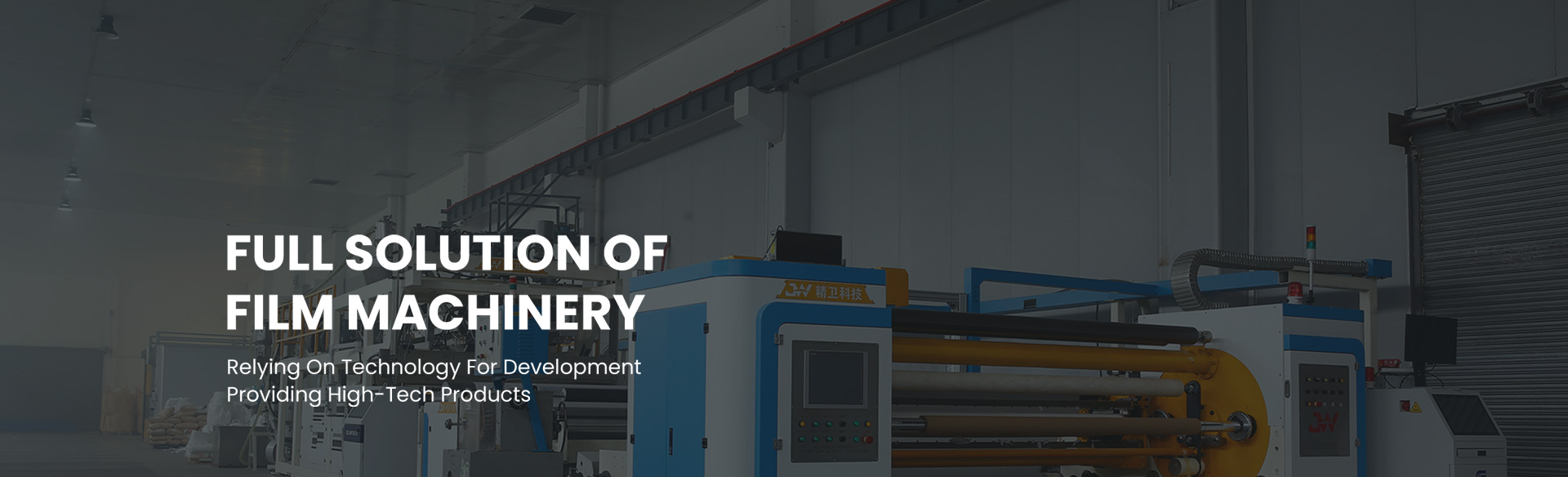
Global Tariff And Customs Considerations When Exporting Heavy Equipment
Strategic Compliance Framework for Industrial Machinery Export
Exporting heavy equipment such as extrusion lines, blown film machines, cast film lines, laminating systems, and slitter rewinders requires careful tariff planning and customs compliance. Unlike small consumer goods, heavy machinery involves complex HS classification, high declared value, oversized shipping logistics, and region-specific trade regulations.
For machinery manufacturers, OEM suppliers, and project investors, early tariff and customs planning reduces financial risk, prevents clearance delays, and protects project delivery schedules.
1. HS Code Classification Accuracy
Why HS Code Matters
The Harmonized System (HS) code determines:
Import duty rate
VAT or GST calculation
Trade agreement eligibility
Regulatory screening requirements
Plastic film production equipment generally falls under machinery categories within Chapter 84 of the HS system. However, incorrect classification can lead to:
Overpayment of tariffs
Customs penalties
Clearance delays
Reclassification audits
Accurate technical description is critical when filing export documentation.
2. Tariff Rate Variability by Country
Import duties on heavy equipment vary significantly depending on destination:
Some countries apply reduced tariffs on industrial machinery to promote manufacturing development
Others impose higher duties to protect domestic equipment manufacturers
Free trade agreements may reduce or eliminate tariffs
Understanding destination-specific tariff structures allows exporters to structure pricing models more accurately.
3. Free Trade Agreements (FTA) Utilization
Many countries participate in regional or bilateral trade agreements that reduce import duties.
To qualify:
Equipment must meet rules of origin
Certificate of origin must be issued
Supporting manufacturing documentation must be prepared
Failure to document origin correctly may disqualify tariff benefits.
4. Anti-Dumping and Safeguard Duties
Heavy machinery may be subject to:
Anti-dumping duties
Safeguard tariffs
Temporary protective measures
These additional duties are often applied in trade-sensitive sectors. Exporters must monitor regulatory updates in key markets.
5. Customs Valuation and Declared Value
Customs authorities evaluate:
Commercial invoice value
Freight cost
Insurance value
Packing charges
Under-declaration risks legal penalties. Over-declaration may increase tax burden.
Clear contract terms and consistent invoice documentation are essential.
6. Incoterms and Responsibility Allocation
Incoterms define responsibility between buyer and seller.
Common terms in heavy equipment trade include:
FOB (Free on Board)
CIF (Cost, Insurance, Freight)
DDP (Delivered Duty Paid)
Choosing the correct Incoterm affects:
Who pays import duties
Who manages customs clearance
Risk allocation during shipment
Large equipment exports often require detailed responsibility allocation.
7. Import Licensing and Permits
Certain countries require:
Import license approval
Industrial machinery registration
Environmental compliance clearance
Advance coordination with the buyer ensures proper documentation before shipment arrival.
8. Inspection and Pre-Shipment Verification
Some markets require:
Pre-shipment inspection by authorized agencies
Conformity assessment
Quality certification verification
Inspection delays can disrupt installation schedules for complete production lines.
9. Special Considerations for Oversized Cargo
Heavy equipment often involves:
Out-of-gauge cargo
Special container requirements
Break-bulk shipping
Customs documentation must include:
Accurate weight and dimension details
Transport route planning
Port handling declarations
Improper documentation may result in port storage charges.
10. Temporary Import and Project-Based Equipment
In some cases, machinery is exported for:
Temporary demonstration
Trade exhibition
Short-term project use
Temporary import regimes may allow duty suspension, provided equipment is re-exported within a defined period.
Proper carnet or temporary import documentation must be prepared.
11. VAT, GST, and Local Tax Implications
Beyond import duty, heavy equipment imports may incur:
Value-added tax
Goods and services tax
Industrial equipment tax
Understanding tax structure helps buyers plan total landed cost.
12. Manufacturer vs Trader: Customs Risk Differences
Working directly with a machinery manufacturer provides:
Accurate technical product description
Correct HS classification guidance
Complete compliance documentation
Faster clarification during customs audits
Traders may lack deep technical knowledge, increasing classification risk.
13. OEM and Bulk Project Planning Considerations
For large production line exports:
Confirm tariff treatment for complete line vs separate modules
Coordinate phased shipment documentation
Prepare detailed packing list segmentation
Align customs clearance schedule with installation timeline
Integrated documentation reduces risk of partial shipment delays.
14. Risk Management Strategies
To minimize customs-related risk:
Conduct pre-export HS code validation
Verify tariff rates in destination country
Confirm required import permits
Ensure consistent invoice wording
Maintain digital documentation archive
Use experienced freight forwarders
Proactive compliance planning improves supply chain reliability.
Conclusion
Global tariff and customs considerations are critical when exporting heavy equipment such as plastic film production machinery. Accurate HS classification, proper documentation, tariff planning, and compliance with local regulations determine whether shipments move smoothly or face costly delays.
For machinery manufacturers and OEM suppliers, structured export compliance systems enhance international competitiveness and reduce financial risk. Early tariff planning, documentation accuracy, and coordinated logistics are essential to successful cross-border equipment delivery.