


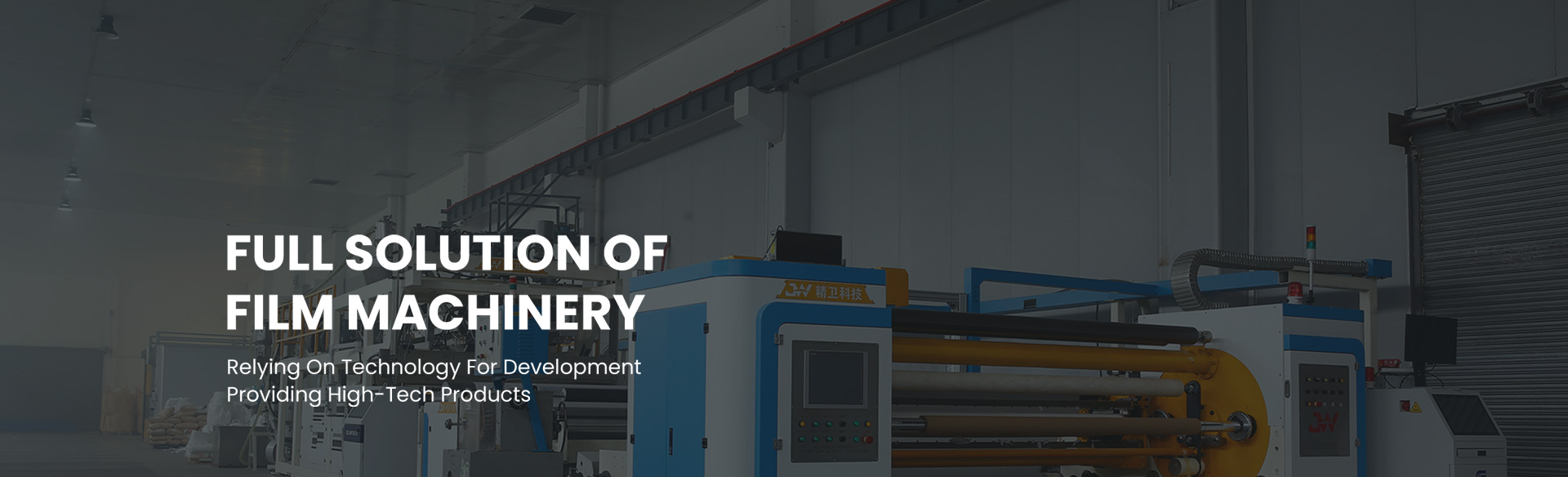
CE, UL, And Other Key Certifications For Export-Ready Plastic Machinery
Compliance Framework for Global Film Production Equipment
Exporting plastic machinery such as blown film lines, cast film lines, slitter rewinders, laminating machines, and extrusion systems requires more than mechanical performance. Regulatory certification is a core requirement for entering major markets including Europe, North America, Southeast Asia, and parts of the Middle East.
For machinery manufacturers, OEM suppliers, and large-scale project investors, understanding certification requirements reduces customs delays, avoids legal risks, and strengthens international credibility.
1. CE Certification (European Union)
What CE Represents
CE marking confirms that machinery complies with European safety and technical directives. For plastic film production equipment, this typically includes:
Machinery safety requirements
Low Voltage Directive
Electromagnetic Compatibility (EMC)
Risk assessment documentation
Safety guarding compliance
Key Requirements
Technical file preparation
Conformity declaration
Hazard analysis and risk mitigation documentation
Emergency stop systems
Interlock protection mechanisms
Operator safety labeling
CE certification is mandatory for equipment entering EU member states.
2. UL Certification (United States and Canada)
Electrical Safety Compliance
UL certification primarily addresses electrical and fire safety compliance for control panels, wiring systems, and industrial electrical components.
For plastic extrusion machinery, UL may apply to:
Control cabinets
PLC panels
Power distribution systems
Motor drives
Heating control modules
Key Requirements
Component traceability
Approved wiring standards
Grounding verification
Overload protection systems
Electrical enclosure rating
While UL marking is not always legally mandatory, many industrial buyers and insurance providers require it.
3. CSA Certification (Canada)
For Canadian markets, CSA certification ensures:
Electrical safety
Equipment structural safety
Compliance with Canadian industrial regulations
CSA standards often align closely with UL but may require specific testing procedures.
4. ISO Certification
ISO 9001 – Quality Management
Widely required by international buyers, ISO 9001 demonstrates:
Structured quality control system
Traceable production processes
Standardized inspection procedures
Continuous improvement practices
ISO certification does not replace CE or UL but strengthens global procurement confidence.
5. RoHS and REACH Compliance (EU Markets)
Although plastic machinery itself is not a chemical product, compliance may be required if:
Electrical components contain restricted substances
Coatings contain regulated materials
Documentation may include:
Hazardous substance declaration
Material composition reports
6. EMC Certification
Electromagnetic Compatibility certification ensures that:
Equipment does not emit excessive electromagnetic interference
Electrical systems remain stable under interference
For high-speed extrusion lines with servo systems and inverters, EMC compliance is critical.
7. Pressure Equipment Certification
Certain components in plastic film lines require pressure-related compliance:
Chill rollers with internal cooling channels
Air ring systems
Pneumatic tension systems
Pressure testing reports and safety valve verification may be required depending on export region.
8. Electrical System Adaptation Certification
Export-ready machinery must match local power standards:
Voltage (220V, 380V, 480V)
Frequency (50Hz or 60Hz)
Circuit breaker standards
Industrial socket compatibility
Incorrect adaptation can lead to equipment damage and regulatory rejection.
9. Other Regional Certifications
Depending on export destination, additional certifications may include:
EAC certification (Eurasian markets)
SASO certification (Saudi Arabia)
CCC (China domestic compliance)
IEC conformity for global electrical standards
Early planning prevents shipment rejection.
10. Documentation Required Alongside Certification
Certifications must be supported by:
Technical construction file
Risk assessment report
Factory acceptance test documentation
Electrical schematics
Safety labeling documentation
User manual in required language
Proper documentation is as critical as the certification mark itself.
11. Manufacturer vs Trader: Certification Responsibility
Working directly with a machinery manufacturer provides advantages:
Direct control over safety design
Electrical engineering documentation availability
Ability to customize control systems to destination standards
Access to full compliance technical file
Traders may not have full access to certification documentation, which increases risk during customs inspection.
12. OEM / ODM Certification Planning
For customized plastic machinery projects:
Certification must be planned during design stage
Component selection must align with target market
Control panel layout may require redesign
Language labeling must match local regulations
Late-stage certification modification increases cost and delivery time.
13. Bulk Project Export Considerations
For complete film production lines exported internationally:
Ensure all integrated modules meet compliance
Verify motor and drive compatibility
Confirm heating system safety ratings
Conduct pre-shipment compliance review
Align contract terms with regulatory standards
Integrated certification reduces commissioning delays.
Conclusion
CE, UL, and other regional certifications are essential for export-ready plastic machinery. These certifications ensure compliance with safety, electrical, and environmental standards in international markets. Proper planning, documentation preparation, and engineering alignment are critical for smooth cross-border equipment delivery.
For machinery manufacturers and OEM partners, structured certification management strengthens global competitiveness and reduces trade risk. Compliance is no longer optional—it is a foundational requirement for international expansion.