


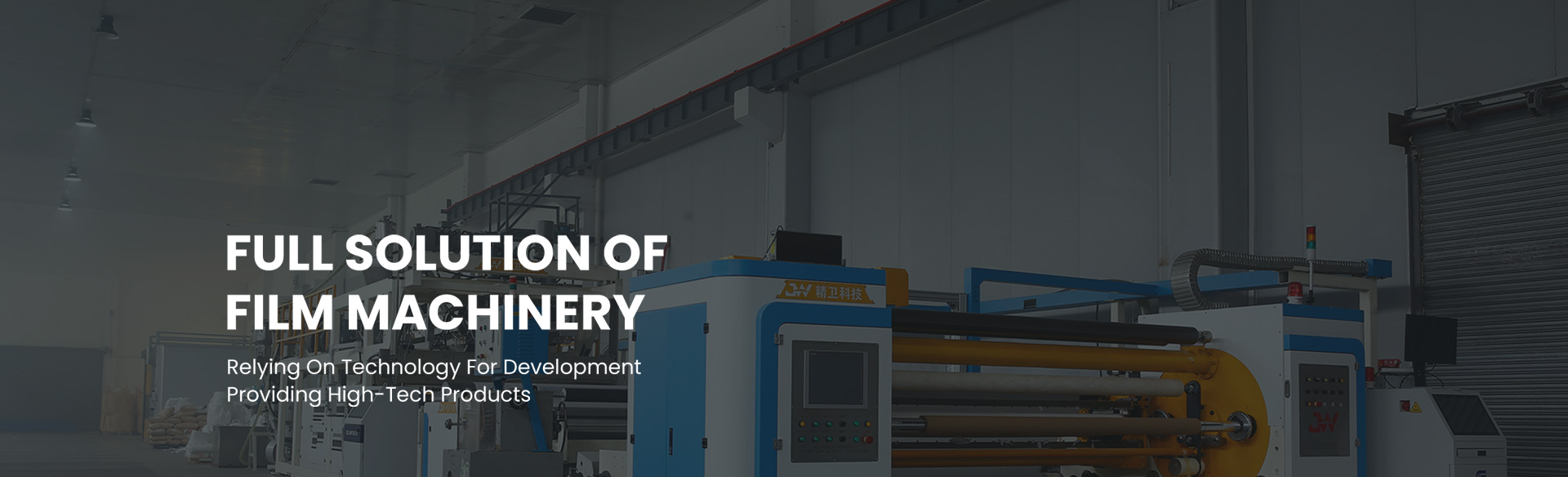
Export Compliance Requirements for Plastic Film Production Equipment
Regulatory Framework, Certification Standards, and International Trade Considerations
Exporting plastic film production equipment—including blown film lines, cast film lines, slitter rewinders, laminating machines, and Printing systems—requires strict compliance with international safety, technical, and trade regulations. Failure to meet destination market requirements can result in shipment delays, customs holds, financial penalties, or rejection.
For machinery manufacturers, OEM suppliers, and project investors, understanding export compliance is essential when planning overseas equipment supply, bulk project delivery, or long-term international partnerships.
1. Machinery Safety Compliance
1.1 CE Marking (European Union)
For export to EU member states, plastic film production equipment must comply with:
Machinery Directive requirements
Electrical safety standards
EMC (Electromagnetic Compatibility) standards
Risk assessment documentation
Compliance includes:
Technical file preparation
Conformity declaration
Proper machine guarding
Emergency stop systems
Interlock protection systems
CE certification ensures the equipment meets EU safety and performance requirements.
1.2 UL and Electrical Compliance (United States)
For export to North America, electrical systems must align with:
UL standards
NFPA electrical codes
Proper wiring certification
Grounding and overload protection systems
Control cabinets, PLC systems, and wiring components must comply with regional voltage and safety standards.
2. Environmental and Chemical Compliance
Plastic film equipment often processes materials that may fall under chemical regulation.
Export requirements may include:
RoHS compliance documentation
REACH conformity for EU markets
Hazardous substance declaration
Environmental protection certification
Although the machinery itself is not a chemical product, compliance may be required if components contain regulated substances.
3. Pressure System and Cooling Equipment Compliance
Chill rollers and cooling systems may fall under pressure equipment regulations.
Requirements may include:
Pressure vessel certification
Cooling system safety documentation
Hydrostatic testing records
Safety valve verification
For some regions, compliance with pressure equipment directives is mandatory.
4. Documentation Requirements for Export
Standard export documentation typically includes:
Commercial invoice
Packing list
Bill of lading
Certificate of origin
HS code classification
Insurance documentation
Technical specification sheets
Operation and maintenance manuals
Accurate documentation ensures smooth customs clearance.
5. Quality Certification and Manufacturing Standards
International buyers frequently require:
ISO 9001 quality management certification
Material test certificates
Heat treatment reports
Inspection reports
Factory acceptance testing documentation
Quality system certification enhances credibility in global markets.
6. Export Control Regulations
Some machinery components may fall under export control laws depending on destination country.
Compliance considerations include:
Dual-use equipment evaluation
Restricted country screening
End-user verification
Trade sanction compliance
Manufacturers must screen buyers against international trade restriction lists.
7. Intellectual Property and Patent Protection
When exporting customized extrusion systems:
Protect proprietary screw designs
Secure control system software rights
Clarify ownership of custom tooling
Clear contractual agreements prevent intellectual property disputes in international markets.
8. Packaging and Transport Compliance
Plastic film production equipment is typically large and heavy.
Export packaging must meet:
International wood packaging standards (ISPM 15)
Anti-corrosion protection requirements
Vibration-resistant crating
Sea transport humidity protection
Improper packaging can result in equipment damage during transit.
9. Local Installation and Electrical Adaptation
Export compliance also involves adapting machinery to:
Local voltage and frequency standards
Safety signage language requirements
Regional workplace safety regulations
Grounding and circuit protection codes
Pre-shipment configuration reduces on-site modification costs.
10. After-Sales Service and Warranty Compliance
International contracts may require:
Spare parts availability commitment
Remote technical support capability
Training documentation
Warranty terms aligned with local commercial law
Structured service planning supports long-term overseas operations.
11. Bulk Project Export Considerations
For large-scale production line exports:
Confirm phased delivery schedule
Align shipping sequence with installation plan
Coordinate customs pre-clearance
Prepare technical supervision documentation
Large projects often require on-site commissioning support and compliance verification.
12. Risk Management in International Equipment Export
Key risk mitigation strategies include:
Pre-shipment inspection
Third-party certification where required
Export insurance coverage
Clear incoterm agreement
Structured payment milestones
Compliance management reduces financial and legal exposure.
Conclusion
Exporting plastic film production equipment requires adherence to machinery safety standards, electrical compliance, environmental regulations, documentation requirements, and trade control laws. CE marking, UL compliance, ISO certification, and proper export documentation are foundational to successful international supply.
For machinery manufacturers and OEM suppliers, establishing a structured compliance system strengthens global competitiveness and builds trust with overseas buyers. Thorough export preparation ensures smooth customs clearance, safe operation in destination markets, and long-term project success.